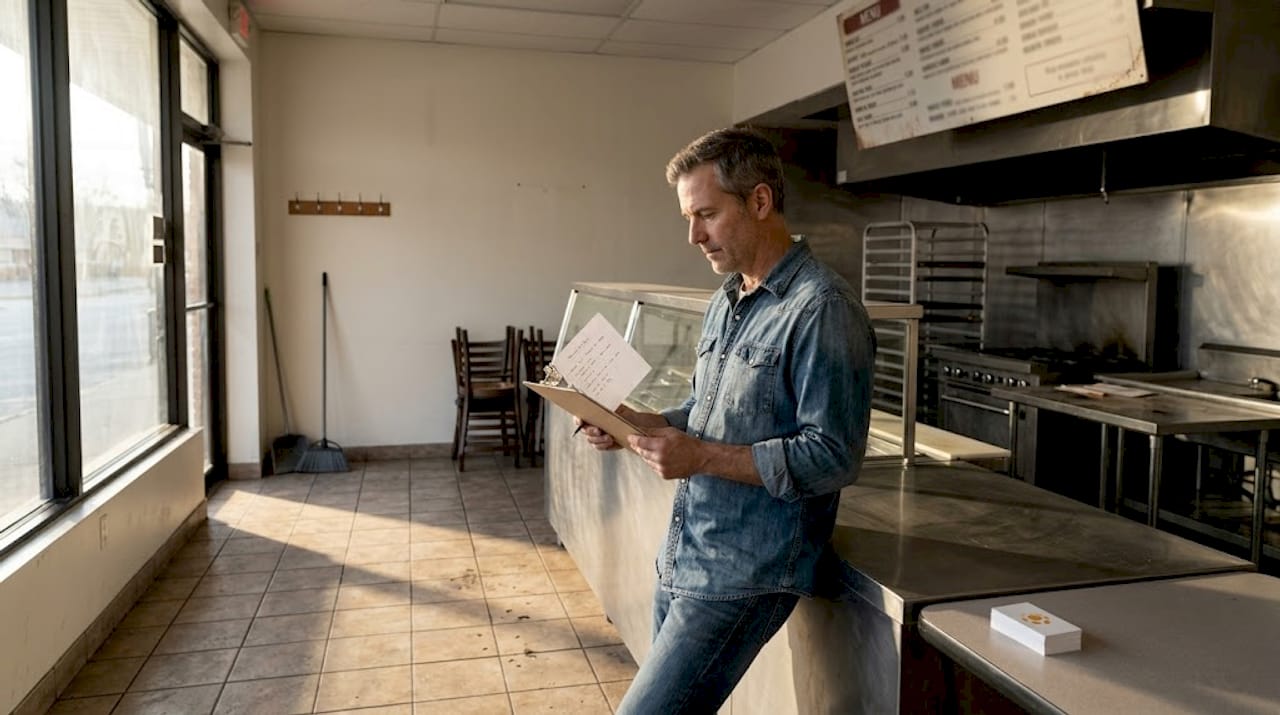
Restaurant failure rates are sobering: 26% close in year one, and the majority shut down within five years. Yet operators who choose second-generation restaurant spaces, properties previously used as restaurants with infrastructure already in place, consistently shorten their path to opening and reduce upfront costs. Whether you are an operator scouting your next location, a landlord trying to attract the right tenant, or a broker closing F&B deals, understanding how these spaces work gives you a measurable edge. This guide covers definitions, advantages, evaluation steps, and stakeholder-specific considerations so you can make smarter, faster decisions.
Table of Contents
- What defines a second-generation restaurant space?
- Advantages and challenges of second-generation spaces
- Evaluating infrastructure and compatibility
- Stakeholder perspectives: Operators, landlords, and brokers
- The real-world wisdom most buyers miss about second-gen conversions
- Explore available second-generation restaurant spaces
- Frequently asked questions
Key Takeaways
| Point | Details |
|---|---|
| Speed to launch | Second-generation spaces allow operators to open in weeks instead of many months, using existing infrastructure. |
| Hidden savings | Careful evaluation of infrastructure and upgrades can save tens of thousands in occupancy costs. |
| Stakeholder due diligence | Operators, landlords, and brokers should inspect, verify, and negotiate based on real conditions and risks. |
| Conversion vs rebuild | Not all spaces are a fit—sometimes starting fresh is the smarter long-term investment. |
What defines a second-generation restaurant space?
A second-generation restaurant space, also called a 2G space or second-gen, is a commercial property that previously operated as a restaurant and still retains some or all of the specialized infrastructure that food service requires. Think of it as inheriting the bones of someone else’s kitchen.
Second-generation restaurant spaces typically come with equipment and systems that would otherwise take months to source, permit, and install. These include:
- Exhaust hoods and ventilation systems
- Grease traps and interceptors
- Commercial plumbing and gas lines
- Three-compartment sinks and hand-washing stations
- Walk-in coolers and freezers
- Electrical panels sized for commercial kitchen loads
A second-generation space retains key infrastructure like exhaust hoods, grease traps, and commercial plumbing that raw spaces simply do not have. This is what separates a 2G space from a first-generation or raw space, which is a blank commercial shell with standard office-grade utilities and no food service provisions.
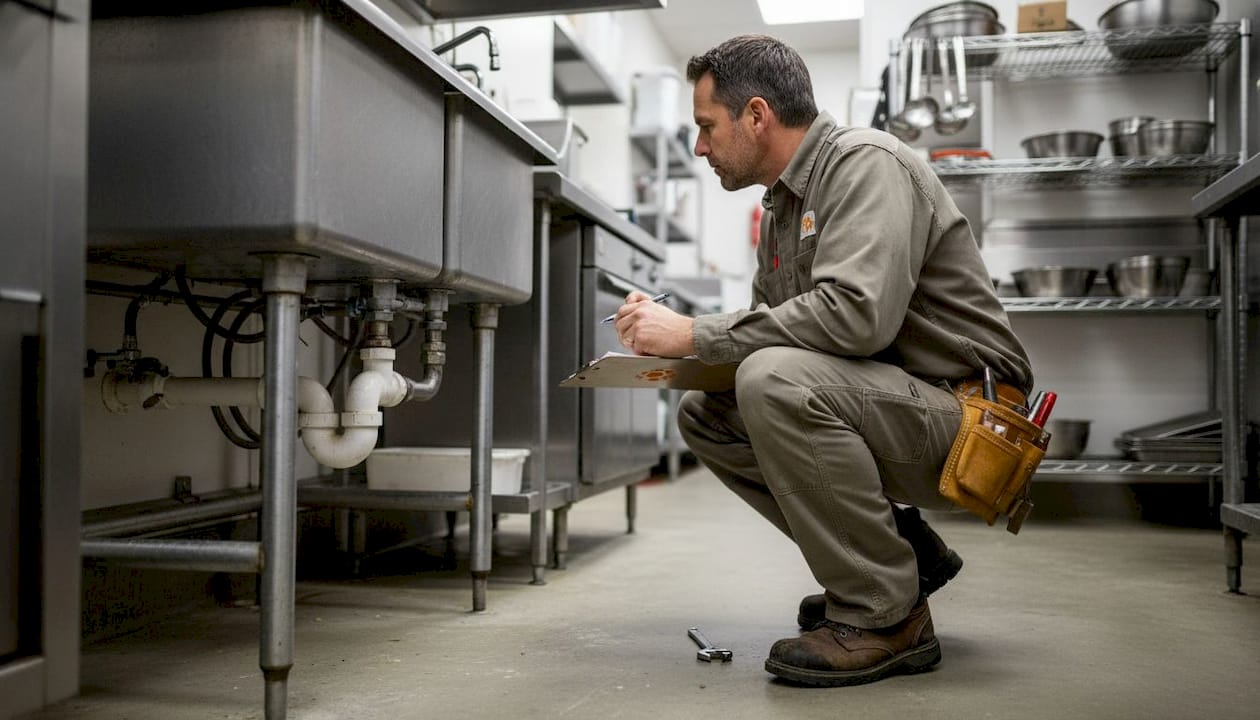
The contrast matters enormously in practice. A raw space requires a full restaurant buildout: permits, demolition, rough-in plumbing, gas installation, ventilation design, and equipment procurement. That process is expensive and slow. A second-gen space skips most of those steps.
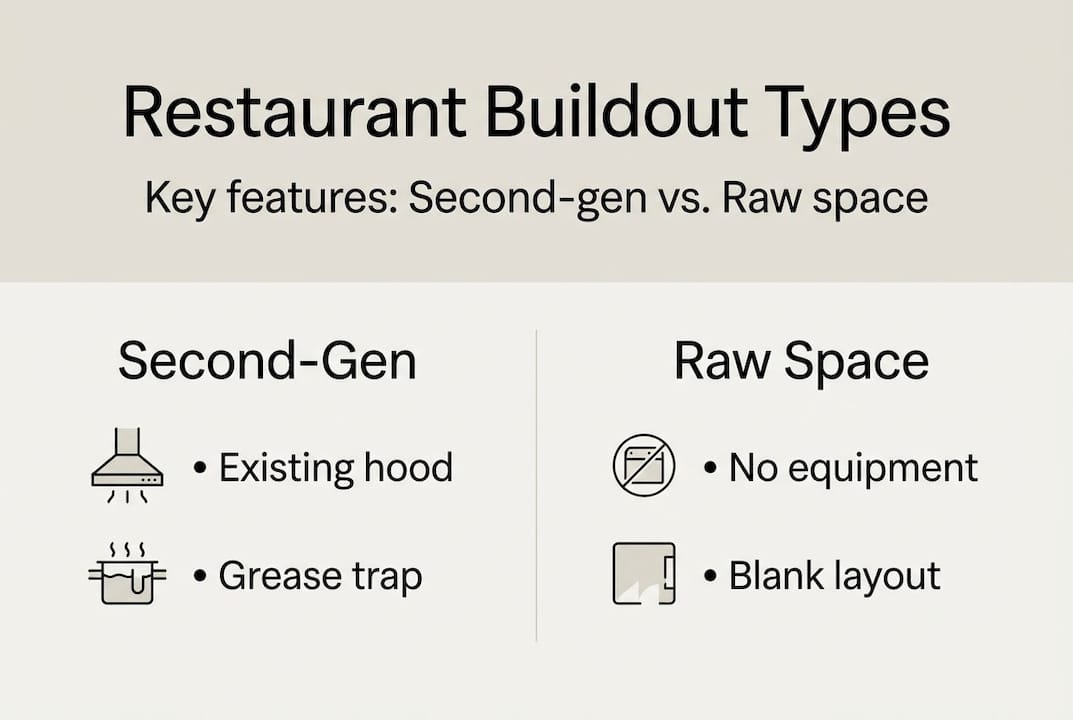
Here is a quick comparison of what each space type typically includes:
| Feature | Second-gen space | Raw/first-gen space |
|---|---|---|
| Exhaust hood | Usually present | Not included |
| Grease trap | Usually present | Not included |
| Commercial plumbing | Present | Standard only |
| Gas lines | Present | May not exist |
| Walk-in cooler | Often present | Not included |
| Permits/approvals | Partially transferable | Must start fresh |
Real-world examples are everywhere. A fast-casual taco concept takes over a shuttered pizza location and reuses the hood, gas lines, and prep area. A ghost kitchen operator leases a former diner and immediately begins production. In each case, the second-gen footprint accelerates the timeline and reduces the capital required to get the doors open.
Advantages and challenges of second-generation spaces
With a clear definition in hand, let’s look at why so many operators, landlords, and brokers favor second-generation spaces, along with the risks that come with them.
The most cited advantage is speed. Opening time drops to 30 to 90 days with existing infrastructure, compared to up to 18 months for a new build. That gap is not just a scheduling convenience. Every month a restaurant is not open is a month of lost revenue against fixed lease obligations.
Cost savings are the second major draw. Avoiding a full buildout can save hundreds of thousands of dollars depending on market and concept size. The benefits of buying restaurant space include leveraging existing infrastructure to preserve capital for operations, marketing, and staffing instead.
“The fastest path to profitability is rarely the path with the most construction.”
Key advantages at a glance:
- Shorter time to open (weeks, not months)
- Lower upfront capital requirements
- Ready-to-use kitchen infrastructure
- Easier permitting in some jurisdictions
- Established utility connections
Key challenges to watch:
- Outdated or undersized equipment
- Layout mismatched to your concept
- Hidden liabilities like aging grease traps or failing refrigeration
- Compliance gaps with current health and fire codes
- Surprise repair costs once operations begin
The hidden costs of restaurant conversions are real. Aged spaces or major layout changes can erode the cost advantage quickly, especially when a new concept requires a fundamentally different kitchen flow or seating configuration.
Pro Tip: Before calculating your savings, get a licensed contractor to walk the space and itemize every system that needs repair or replacement. The gap between “infrastructure present” and “infrastructure functional” can be significant.
| Factor | Advantage | Risk |
|---|---|---|
| Speed | 30 to 90 day opening | Rushed due diligence |
| Cost | Lower buildout spend | Hidden repair costs |
| Infrastructure | Ready-to-use systems | Outdated or mismatched |
| Permits | Partial transferability | Compliance gaps |
Evaluating infrastructure and compatibility
Understanding the benefits and potential challenges, a detailed evaluation decides whether a space is a true fit. This is where deals are won or lost, and where operators, landlords, and brokers need to be methodical.
Key infrastructure to evaluate includes the hood system, grease traps, plumbing, refrigeration, and kitchen layout. Here is a practical step-by-step process:
- Hood system: Confirm the hood type (Type I for grease-laden vapor, Type II for heat and moisture), size, and last service date. Verify it meets current fire suppression code.
- Grease trap: Check capacity, condition, and pumping history. An undersized or neglected grease trap is a compliance liability and an expensive fix.
- Gas lines: Confirm BTU capacity matches your equipment needs. A bakery and a steakhouse have very different gas demands.
- Plumbing: Count and locate all floor drains, sinks, and connections. Verify water pressure and hot water capacity.
- Refrigeration: Test walk-in coolers and freezers for temperature consistency and compressor health. Older units may be inefficient or near end of life.
- Kitchen layout: Map the flow from receiving to prep to cook line to service. A layout designed for a different concept can create bottlenecks that hurt speed of service.
- Electrical panel: Confirm amperage supports your equipment list. Adding circuits is possible but adds cost and permitting time.
- Permits and certificates: Identify which permits are transferable and which require new applications. Health department approvals, certificate of occupancy, and fire inspections may all need updating.
Operators should prioritize thorough due diligence on infrastructure match and condition before signing any lease or purchase agreement. A turnkey second-generation restaurant can look ready on the surface while hiding significant deferred maintenance underneath.
Use a restaurant expansion checklist to make sure nothing is skipped during site visits. Compare the cost to upgrade or repair each system against any tenant improvement (TI) allowance the landlord is offering. If the TI does not cover the gap, that difference comes out of your opening budget.
Pro Tip: Always request the maintenance logs and service records for major equipment. A grease trap that has never been pumped or a hood that has not been cleaned in two years tells you more about the space than any listing description.
Stakeholder perspectives: Operators, landlords, and brokers
Each stakeholder approaches second-generation spaces from a unique angle. Here is how their priorities and risks shape every deal.
Operators need to focus on concept compatibility. A second-gen space that worked for a full-service Italian restaurant may not suit a high-volume quick-service concept without significant reconfiguration. Key operator priorities include:
- Confirming infrastructure matches the menu and volume requirements
- Calculating total occupancy cost including base rent, NNN charges, and estimated repairs
- Negotiating TI allowances to offset upgrade costs
- Securing enough free rent period to complete any necessary work before opening
Landlords carry their own set of risks when leasing to restaurant tenants. Landlords should require detailed inspections, higher insurance, personal guarantees, and removal obligations to protect themselves if a new tenant fails. Grease damage, ventilation wear, and heavy utility use all accelerate property deterioration compared to standard commercial tenants.
Landlords benefit from listing on specialized platforms like Pepperlot, where listings include restaurant-specific details like grease trap specs and seating capacity, attracting qualified operators rather than generic commercial inquiries. A restaurant space in Financial District markets very differently to a targeted F&B audience than it does on a general commercial real estate site.
Brokers play a critical matchmaking role. The best brokers in F&B real estate go beyond square footage and lease rate. They evaluate whether a concept’s kitchen requirements align with the existing infrastructure, and they guide both sides through negotiations that account for repair responsibilities, TI structures, and removal clauses.
A useful resource for brokers managing tenant transitions is the subleasing workflow, which outlines the steps for managing a space handoff cleanly.
Statistic to keep in mind: With restaurant failure rates as high as they are, every stakeholder in a second-gen deal is managing risk, not just opportunity. Operators risk their capital, landlords risk their asset, and brokers risk their reputation. Diligence protects all three.
The real-world wisdom most buyers miss about second-gen conversions
Here is the part most articles skip. The narrative around second-generation spaces tends to be uniformly positive: save money, open faster, skip the buildout headaches. That is true, but only under the right conditions.
Conversions work best for similar concepts in good condition, but a raze-and-rebuild is actually the smarter route for aged spaces or heavily customized layouts. The mistake many operators make is falling in love with the idea of savings before confirming whether those savings actually exist in a specific space.
Flow inefficiencies are the most commonly missed liability. A kitchen designed for a different service model can cost you in labor and ticket times every single day, and those losses are invisible on a lease agreement. Second-generation space insights consistently point to layout compatibility as the factor most often underweighted during site selection.
Our recommendation: always compare real, itemized costs against theoretical savings. Get two or three contractor bids. Talk to a health department inspector before you sign. The best second-gen deals are the ones where the infrastructure genuinely fits your concept, not the ones where you convince yourself it will work with a few adjustments.
Explore available second-generation restaurant spaces
Ready to put this knowledge to work? Pepperlot is built specifically for restaurant real estate, so every listing includes the details that actually matter to operators, landlords, and brokers: grease trap specs, hood types, seating capacity, and permit status.
Browse a Las Vegas restaurant for lease or explore a San Francisco second-generation space to see how detailed, restaurant-specific listings look in practice. Use Pepperlot’s location intelligence tools to analyze local competition, demographics, and market demand before committing to any site. Find, compare, and tour spaces that match your concept, not just your budget.
Frequently asked questions
What is a second-generation restaurant space?
A second-generation restaurant space is a property formerly used as a restaurant, with key infrastructure already installed such as exhaust hoods, grease traps, and specialized plumbing. It differs from a raw space, which has none of those food service systems in place.
How much faster can I open with a second-generation space?
Operators can typically open in 30 to 90 days using a second-generation space, compared to up to 18 months for a new build from scratch.
What should I check before signing a lease?
Evaluate hood systems, grease traps, plumbing, gas lines, refrigeration performance, and kitchen layout to confirm compatibility with your concept and identify any infrastructure gaps before committing.
Are second-generation spaces always better than new builds?
Not always. Conversion is ideal for similar concepts with solid infrastructure, but aged or heavily customized spaces may make a new build more efficient and less risky overall.
What documents and insurance do landlords need from tenants?
Landlords should require detailed inspections, higher insurance coverage, and personal guarantees from tenants to minimize financial and property risk in the event of tenant failure.
Recommended
- Second-Generation Restaurant Spaces: The Smartest Way to Launch Your Concept | PepperLot Blog
- The Hidden Costs of Building Out a Restaurant Space (and How to Avoid Them | PepperLot Blog
- Second-Generation Restaurant Space in Financial District | PepperLot
- Should You Buy A Restaurant Or Lease A New Space? | PepperLot Blog
- Smart strategies to attract new restaurant customers in 2026
Leave a Reply