
Many restaurant operators assume subleasing is too legally complex or financially risky to be worth pursuing. The reality is that a well-structured sublease can turn idle square footage into real rent relief, especially when occupancy costs are squeezing margins. Across the industry, rent alone can consume 6 to 12 percent of gross sales, and negotiating sublet rights upfront is one of the most underused tools operators have. This guide breaks down exactly what a restaurant sublease is, how it works, the pros and cons, and how to use it strategically to cut overhead and make your space work harder for your business.
Table of Contents
- What is a restaurant sublease?
- Why restaurant operators consider subleasing
- Risks and challenges of subleasing your restaurant space
- Best practices and negotiation tips for restaurant subleases
- A fresh perspective: Why subleasing isn’t always the solution—what seasoned operators have learned
- Ready to find or offer a restaurant sublease?
- Frequently asked questions
Key Takeaways
| Point | Details |
|---|---|
| Restaurant subleasing basics | A restaurant sublease lets you rent out your space to another operator, with landlord consent, to offset costs. |
| Financial benefits | Subleasing can keep occupancy costs within the recommended 6-10% of sales and generate extra revenue. |
| Major risks | Despite cost savings, you remain liable if your subtenant defaults or goes bankrupt. |
| Best negotiation tips | Secure broad sublet rights and clarify all terms in your lease before committing to a sublease. |
What is a restaurant sublease?
A restaurant sublease happens when the original tenant, called the sublandlord, rents all or part of their leased space to a third party, called the subtenant. The original landlord stays in the background. The subtenant gets the right to use the space, but their legal relationship is with the sublandlord, not with the landlord directly. This three-party structure is what operators often get confused about.
Think of it like this: you signed a 10-year lease on a 3,000-square-foot restaurant. Business is slow on weekday mornings, so you rent the kitchen to a catering company from 6 a.m. to noon. You are now the sublandlord. The caterer is your subtenant. Your landlord is still your landlord, and your obligations under the master lease do not change.
The sublease mechanics require the primary lease to permit subleasing, and the arrangement creates a direct landlord-tenant relationship between you and the subtenant, always subordinate to the master lease. That last part is critical: the master lease governs everything. If there is a conflict, the master lease wins.
It is also important to understand the difference between a sublease and a license agreement. These two are often confused but they are legally very different. Understanding assignment vs. sublease is equally valuable context here.
| Feature | Sublease | License |
|---|---|---|
| Possession | Exclusive | Non-exclusive |
| Revocability | Not easily revocable | Can be revoked |
| Tenant rights | Strong, resembles a lease | Minimal, permission-based |
| Legal relationship | Creates landlord-tenant relationship | Does not |
| Common use | Ghost kitchens, shared dining rooms | Pop-ups, event use |
Common real-world use cases for restaurant subleases include:
- Ghost kitchens: Renting your licensed commercial kitchen to a delivery-only brand during off-hours
- Shared dining rooms: Subleasing front-of-house space to a brunch operator while you only do dinner
- Temporary concept testing: Letting a new operator trial your space before they commit to their own lease
- Partial space monetization: Renting a storage area, private dining room, or event space to offset your base rent
Understanding whether your setup calls for a sublease versus another arrangement is foundational. Review sale vs. lease differences if you are also weighing whether to sell the business altogether.
Why restaurant operators consider subleasing
The math is simple. Empty space costs money. Even if nobody is cooking in your kitchen from 2 a.m. to 10 a.m., you are still paying rent on every square foot. Subleasing turns that dead time into income.
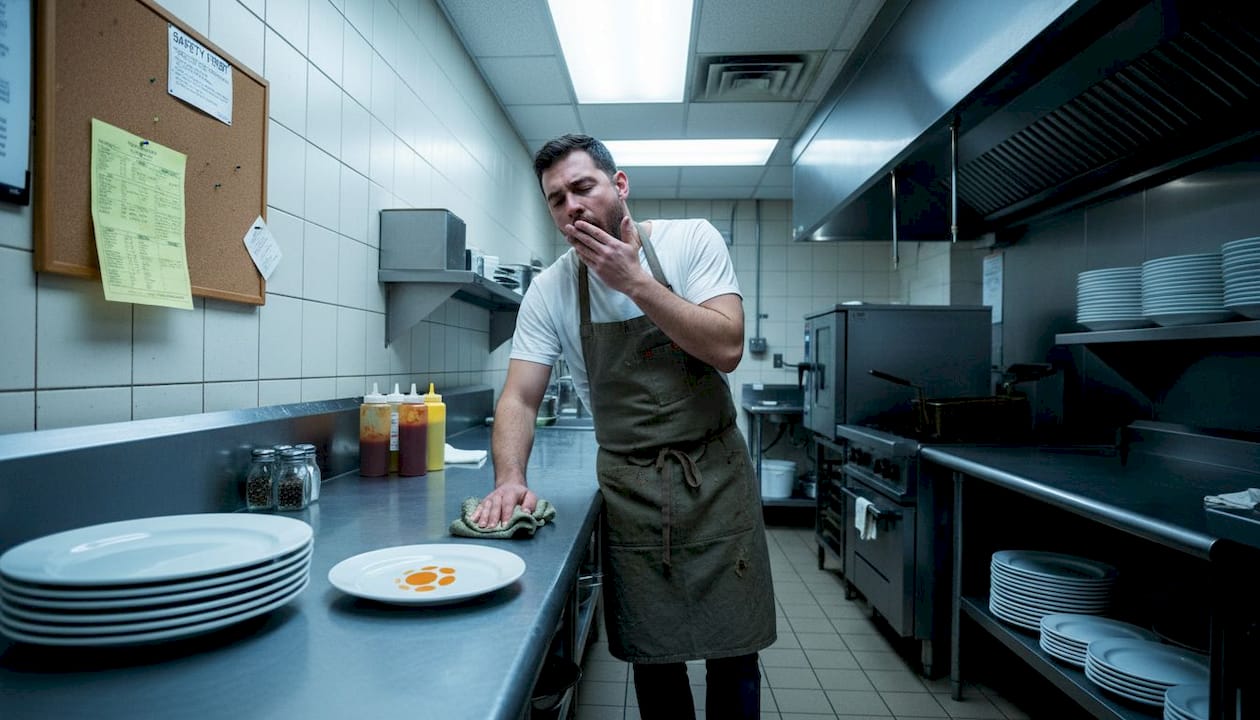
Restaurant occupancy costs should fall within 6 to 10 percent of gross sales for most concepts, with fast casual running 5 to 8 percent, casual dining at 7 to 8 percent, and fine dining at 8 to 12 percent. If your current costs exceed those benchmarks, subleasing can be the fastest way to bring them back in line without renegotiating your entire lease.
| Restaurant type | Target occupancy cost (% of sales) |
|---|---|
| Fast casual | 5 to 8% |
| Casual dining | 7 to 8% |
| Fine dining | 8 to 12% |
| Quick service | 4 to 6% |
Here is when subleasing makes the most financial sense:
- Off-peak hours: You operate dinner only and want to recover daytime rent by subleasing kitchen access
- Excess square footage: Your buildout includes more space than your current concept uses
- Ghost kitchen model: You want to add a virtual brand without leasing a second location
- Slow periods: Seasonal downturns where coverage from a subtenant stabilizes cash flow
The complete workflow for subleasing your restaurant space walks through exactly how to find and vet subtenants, set terms, and execute the agreement.
“Smart operators don’t wait until they’re struggling to think about subleasing. They negotiate the right to sublease on day one, before they ever need it.”
Pro Tip: When negotiating your original lease, push for broad subletting rights with no requirement for landlord consent beyond written notice. This one clause can save you enormous stress and legal fees later.
For a real-world example, check out this full restaurant sublease in Los Angeles currently active on Pepperlot. It gives you a feel for how these deals are structured and priced. If you want broader market context, the breakdown of LA restaurant leasing costs is worth reading before you set your sublease rate.
Risks and challenges of subleasing your restaurant space
Offloading space sounds great, but it carries risks you will want to anticipate before signing anything.
The biggest one: you remain fully liable to your landlord even after you sublease. If your subtenant stops paying rent, you are still on the hook. Your subtenant’s failure becomes your problem. That ongoing liability exposure also extends to property damage, lease violations, and bankruptcy scenarios.
Here are the key risks in order of how often they bite operators:
- Subtenant default: Your subtenant stops paying. You owe the landlord regardless.
- Buildout and TI costs: If the space needs upgrades for a subtenant, you may need to fund tenant improvement costs with no guarantee of long-term occupancy.
- Rent gap risk: You may need to sublease below your own rent rate to attract a tenant, especially in slow markets. That gap comes directly out of your pocket.
- Slow ramp-up time: Finding a qualified subtenant can take months. Many operators underestimate this timeline.
- Bankruptcy exposure: If your subtenant files for bankruptcy, lease rejection proceedings can leave you exposed to unpaid obligations.
- Operational conflict: Shared kitchens create friction around equipment, cleanliness standards, and scheduling.
“The most dangerous assumption in restaurant subleasing is thinking you’ve offloaded the risk. You’ve shared the space, not the liability.”
Pro Tip: Before you list your space, audit your existing lease carefully. Understand whether a full lease assignment would remove you from the picture entirely. Assignments transfer all obligations to the new tenant. Subleases do not. Review the challenges of leasing restaurant space and hidden buildout costs before you commit to a sublease structure.
For some operators, especially those with failed locations, the cleaner move is lease termination or assignment. Subleasing feels like a solution but can extend financial exposure rather than end it.
Best practices and negotiation tips for restaurant subleases
For those set on subleasing, the difference between success and headaches lies in your negotiation strategy, starting long before you ever need to sublease.
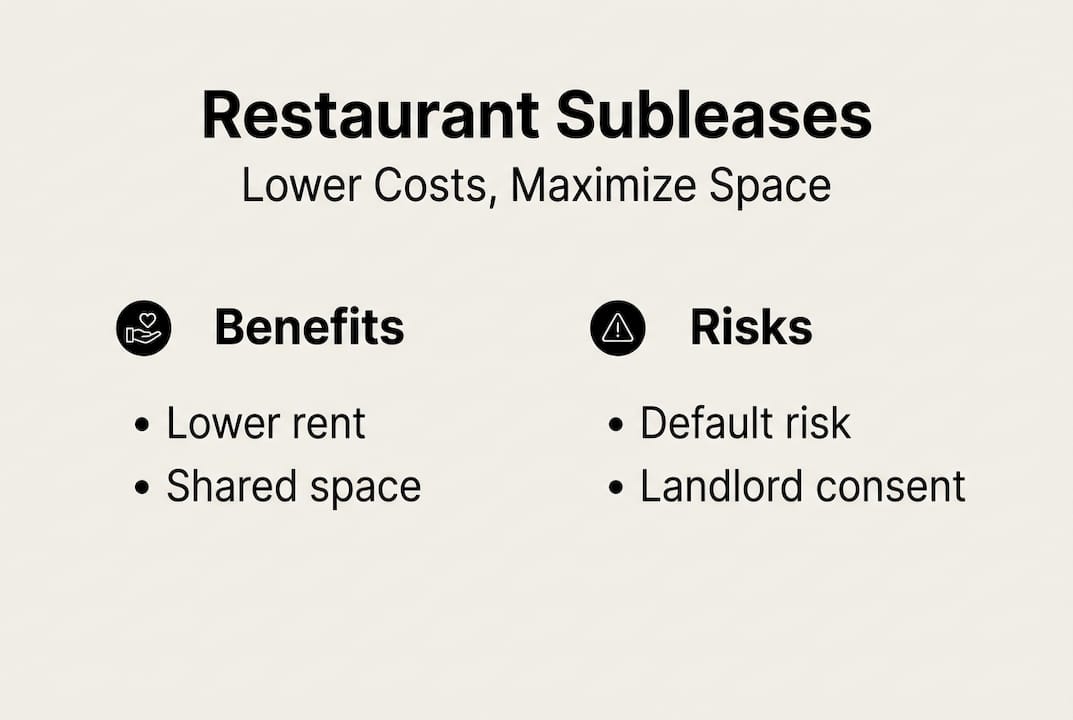
The first move is securing broad sublet rights in your master lease from the start. Ghost kitchens and shared food-service spaces have normalized subleasing as a cost-cutting strategy, and most landlords in food-service markets will agree to reasonable subletting language if you ask early.
Here is a checklist for what your sublease rights should include:
- Landlord consent: Required, but must not be unreasonably withheld
- Permitted use clarity: Sublease should specify what type of food business is allowed
- Non-revocation protection: Landlord cannot pull consent without cause after the sublease is signed
- Revenue-sharing or flat-rate terms: Define clearly whether rent is fixed or tied to subtenant sales
- Exit clauses: What happens if your subtenant wants to leave early
- Sublease term limits: Ideally shorter than your master lease term to retain flexibility
Watch for these red flags in agreements:
- Vague permitted use language that could create conflicts with your own operations
- Landlord consent provisions that allow rejection for almost any reason
- No tenant improvement allowance when the space clearly needs work
- No free rent period for subtenant ramp-up, which makes it hard to attract quality operators
Pro Tip: Consider offering new subtenants a modest free rent period of 30 to 60 days or a small TI contribution. The cost is usually less than two months of carrying the space empty.
Know when to push for lease assignment vs. subleasing instead. For failed locations, experts prefer assignment because it releases you from ongoing liability. Subleases can be unfavorable at struggling locations due to high construction costs and slow market demand. Also read up on attracting serious restaurant tenants to understand what operators actually look for before they commit to a sublease.
A fresh perspective: Why subleasing isn’t always the solution—what seasoned operators have learned
Here is the uncomfortable truth most guides skip: subleasing is not a cure-all, and treating it like one is a common and costly mistake.
Experienced operators know that lease termination is often preferable to subleasing for underperforming locations. Why? Because a sublease keeps you legally connected to the space and the subtenant. Every month your subtenant operates, you are still exposed. If they struggle, you inherit the problem.
What first-timers miss most is the ramp-up reality. Finding a good subtenant for a restaurant space, especially one that needs buildout work, can take six months or more. During that window, you pay full rent with zero offset. By the time the subtenant is operational, you may have already absorbed the losses you were trying to avoid.
The cleaner play, as seen through assignment vs. sublease realities, is to negotiate a full lease assignment when you want out, or to secure sublease rights proactively when you are growing and want optionality. Subleasing works best as a planned tool, not a reactive one. Operators who build it into their strategy from lease signing tend to come out ahead. Those who reach for it as a last resort often find it adds complexity without delivering the relief they expected.
Ready to find or offer a restaurant sublease?
If you are looking to sublease your space, list it, or find an existing restaurant already set up for your concept, Pepperlot is built specifically for this. Unlike generic commercial real estate platforms, every listing on Pepperlot includes restaurant-specific details like permits, seating capacity, kitchen infrastructure, and sublease terms.
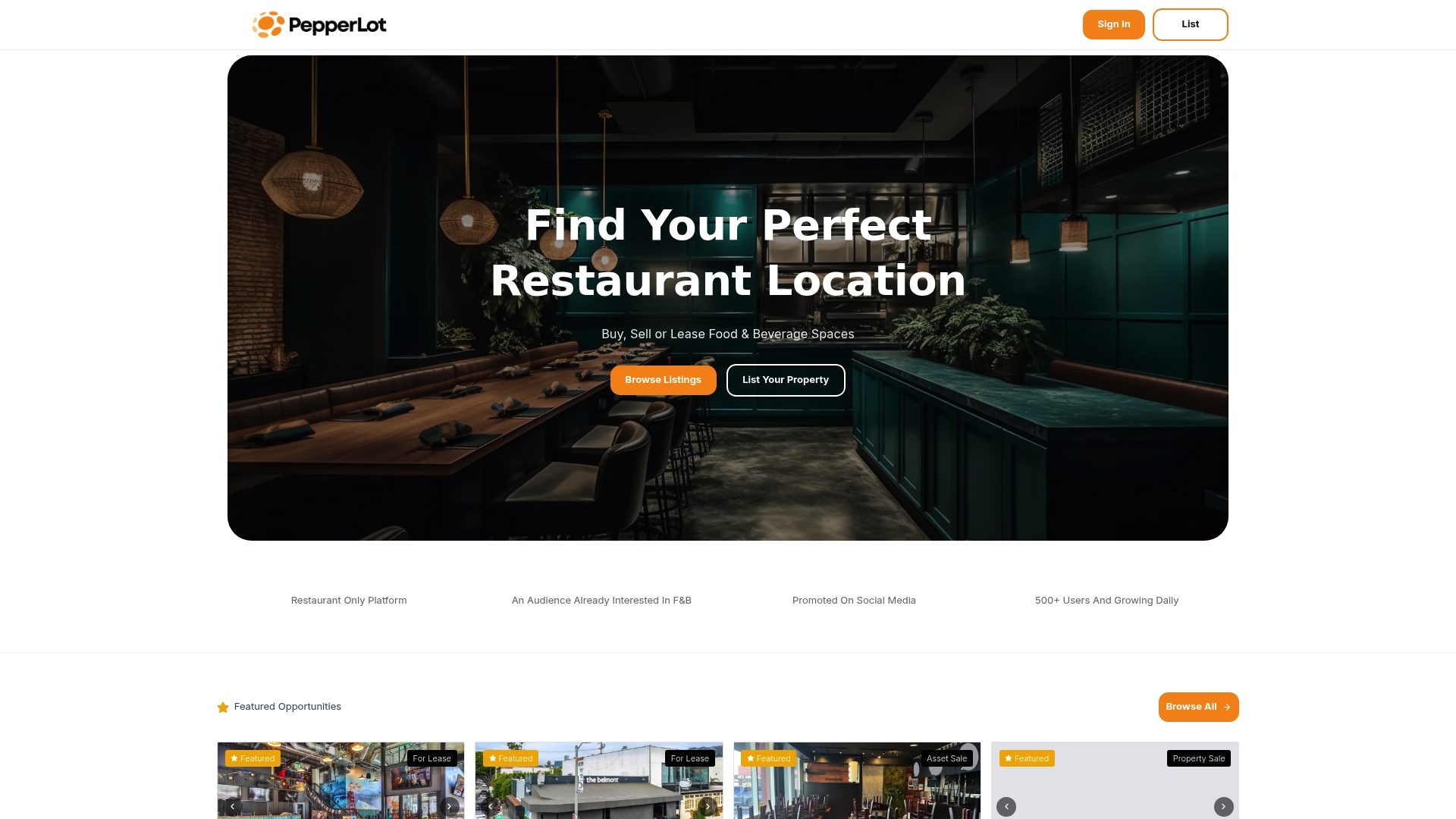
Browse active listings like a restaurant for lease in Las Vegas, a restaurant for lease in San Francisco, or a fast casual sublease in New Jersey to see how operators across the country are structuring their deals. With over 500 active users including operators, landlords, and brokers, Pepperlot connects you to serious matches, not tire-kickers.
Frequently asked questions
Is a landlord’s consent required to sublease restaurant space?
Yes, most primary leases require landlord consent before subleasing is permitted. Always check your master lease before approaching potential subtenants.
How does subleasing lower occupancy costs?
By collecting rent from a subtenant, you offset your own rent payments and bring occupancy costs closer to the recommended 6 to 10 percent of gross sales benchmark.
What’s the main difference between a sublease and a license?
A sublease grants the subtenant exclusive possession of the space, while a license is non-exclusive and can typically be revoked at any time by the licensor.
What risks remain if my subtenant defaults?
You remain fully liable to your landlord for rent and all lease obligations if your subtenant defaults, meaning the master lease terms still apply to you regardless of the subtenant’s performance.
Recommended
- Restaurant Lease Assignment vs Sublease Explained | PepperLot Blog
- Step-by-step workflow for subleasing your restaurant space
- Restaurant Lease Terms Explained: Secure Your Ideal Space
- Restaurant sale vs. lease: 4 key differences for success
- Restaurant remarketing explained: boost repeat visits | Sorbey Blog | Sorbey
Leave a Reply