
TL;DR:
- Selling or leasing restaurant spaces involves complex infrastructure, strict code compliance, and detailed preparation critical for swift transactions. Proper evaluation, clear lease responsibilities, and pre-tested systems significantly reduce delays and buyer hesitations, ensuring faster closings. Success hinges on process alignment, thorough inspections, and strategic listing, with platforms like Pepperlot connecting sellers to ready-to-operate operators efficiently.
Selling or leasing a restaurant space is one of the most technically demanding transactions in commercial real estate. Unlike handing over a retail storefront or an office suite, a restaurant property carries layers of infrastructure, code compliance, and operational complexity that can collapse a deal in weeks if you miss the details. Tenant improvements are far more complex in restaurant spaces than in retail or office environments, requiring specialized kitchen systems and strict regulatory compliance. Whether you’re a property owner, operator, or broker, the preparation steps you take before listing determine how fast you close and how much you leave on the table.
Table of Contents
- Understanding what makes restaurants unique
- Evaluate infrastructure readiness and code compliance
- Clarify roles, allowances, and lease build-out responsibilities
- Troubleshooting: Common pitfalls and how to avoid them
- Why speed and alignment, more than fixtures, define successful restaurant space sales
- Find ready-to-launch restaurant spaces or list yours with Pepperlot
- Frequently asked questions
Key Takeaways
| Point | Details |
|---|---|
| Specialized restaurant systems | Restaurant space preparation requires extra diligence around ventilation, grease, and plumbing systems. |
| Workflow over square footage | A thoughtfully designed kitchen workflow boosts value more than a larger space that’s poorly configured. |
| Lease clarity is critical | Clearly define who does what via the lease to avoid costly surprises and delays. |
| Inspect for code compliance | Always check infrastructure is both present and code-compliant, rather than assuming based on appearance. |
| Second-gen spaces save time | Using a second-generation space can cut months from timeline and significantly lower costs compared to a shell. |
Understanding what makes restaurants unique
Now that you know what’s at stake, let’s examine the technical factors that make preparing restaurants for sale so different from retail or office spaces.
A standard retail or office tenant improvement typically involves flooring, paint, partitions, and maybe upgraded lighting. Restaurant spaces operate in a completely different league. Restaurant build-outs require extensive plumbing networks, commercial HVAC, fire safety systems, grease management infrastructure, and specialty kitchen equipment connections. Each of those systems has its own inspection schedule, permit trail, and maintenance history.
Here’s what separates a restaurant space from every other commercial category:
- Kitchen ventilation and exhaust hoods: These must meet local fire and health codes. Undersized or clogged hoods are a top deal-killer.
- Grease traps and interceptors: Sized to the menu volume and local municipal requirements. An outdated or failed trap can halt a transaction entirely.
- Commercial plumbing: Multiple sinks, floor drains, pre-rinse units, and three-compartment configurations that standard commercial plumbers rarely touch.
- Electrical service: High-amperage circuits for ranges, fryers, walk-in refrigeration, and warming equipment. Older spaces often fall short.
- Fire suppression systems: Ansul or equivalent hood suppression must be current, serviced, and tagged.
- Health department permits: Active permits signal a compliant space. Lapsed permits send buyers running.
The cost and time to fix outdated systems are significant. If you’re working with second-gen restaurant spaces, some of this infrastructure is already in place, which is a major advantage. For older or neglected properties, budget extra time before listing.
| System | Estimated upgrade cost | Typical timeline to remedy |
|---|---|---|
| Kitchen hood replacement | $8,000 to $25,000 | 2 to 6 weeks |
| Grease trap replacement | $3,000 to $15,000 | 1 to 3 weeks |
| Electrical panel upgrade | $5,000 to $30,000 | 2 to 8 weeks |
| Fire suppression update | $2,000 to $10,000 | 1 to 4 weeks |
| Commercial plumbing overhaul | $10,000 to $50,000 | 3 to 10 weeks |
Pro Tip: Pull every permit record and inspection report before you list the property. Gaps in that paper trail are red flags for buyers and their attorneys, and they will find them during due diligence.
For a deeper orientation, the restaurant sale preparation guide on Pepperlot’s blog covers the full picture for California operators and investors, including tax, license, and transfer considerations.
Evaluate infrastructure readiness and code compliance
With a grasp of these extra requirements, it’s time to conduct a thorough, methodical evaluation of the space itself.
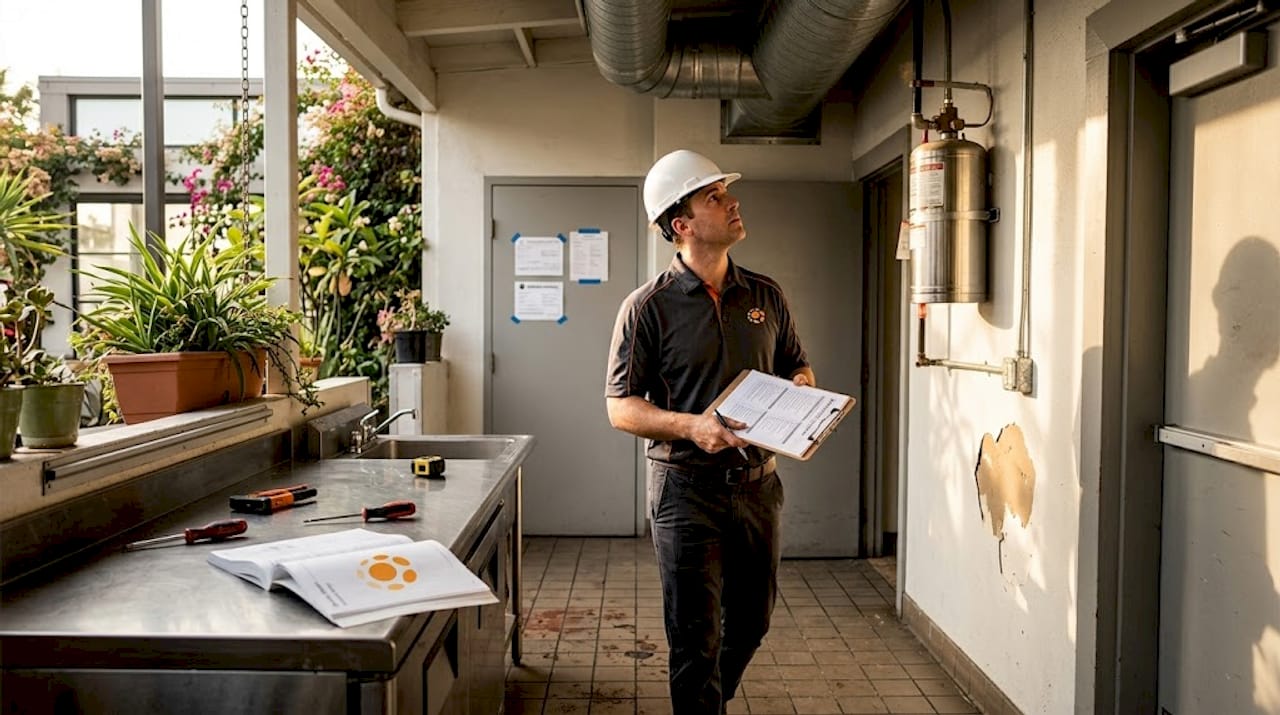
The biggest mistake sellers make at this stage is relying on visual inspection. A kitchen that looks clean and functional can still harbor an undersized grease trap, an overloaded electrical panel, or a hood system that hasn’t been tested under load in years. Evaluating a second-generation restaurant space requires diligence on hood system capacity, grease trap sizing and condition, electrical service, and overall workflow, not just a walkthrough.
Follow this numbered evaluation process before moving to market:
- Commission a specialist inspection. Hire a contractor or consultant with restaurant-specific experience. Standard commercial inspectors often miss food service nuances.
- Test systems under operational load. Run the exhaust hood at capacity, stress-test the electrical panel, and flush the grease trap system. Problems show up under load, not at rest.
- Pull all active and historical permits. Verify that past improvements were permitted and signed off. Unpermitted work is a liability transfer to the buyer.
- Confirm grease trap sizing. Cross-check the trap’s rated capacity against the cooking volume and menu type of the anticipated tenant or buyer.
- Audit the fire suppression system. Confirm the most recent service tag date and verify that the system covers all cooking surfaces.
- Review the workflow layout. Map out traffic patterns from delivery dock to prep station to line to pass. A poorly configured kitchen cuts property value even when equipment is new.
- Document everything with photos and written reports. Buyers and their lenders want a package, not verbal assurances.
“Workflow matters more than kitchen size; a poorly configured large kitchen can be less valuable than a smaller, efficient one.”
The shell-versus-second-gen distinction matters enormously here. Raw shell spaces require major construction before a restaurant can open, and that cost falls on whoever is negotiating the work letter. The Pepperlot second-generation restaurant guide breaks down what to expect from each scenario. If you want a concrete example of a fully equipped 2G property, review this real 2G space for sale in Inglewood, CA, to see what a well-prepared listing looks like in practice.
| Space type | Infrastructure present | Prep timeline | Primary cost risk |
|---|---|---|---|
| Shell/raw | None | 3 to 12 months | Full build-out budget |
| Second-gen (maintained) | Most systems functional | 2 to 8 weeks | Minor repairs, permits |
| Second-gen (neglected) | Systems present but degraded | 4 to 16 weeks | System upgrades, code fixes |
Pro Tip: Out-of-code or undersized hood and electrical systems can delay licenses and occupancy by weeks, which costs the incoming tenant money and gives them leverage to renegotiate your deal.
Clarify roles, allowances, and lease build-out responsibilities
Once the physical space passes scrutiny, it’s just as important to secure clear legal and financial terms on who does what to get the deal to closing.
One of the fastest ways to kill a restaurant lease or sale is to leave the build-out responsibilities vague. Ambiguity breeds disputes. Restaurant leases must specify the landlord versus tenant work divisions, align on the TI allowance and reimbursement schedule, and clarify permitting responsibilities to avoid delays. This happens in a document called the work letter, attached to the lease.
Here’s how responsibilities typically break down:
- Landlord scope (base building): Structural shell, roof, base plumbing risers, base electrical to the panel, and core HVAC rough-in.
- Tenant scope (build-out): Kitchen equipment, hood and exhaust, grease trap installation or replacement, interior finishes, signage, and specialty plumbing.
- Gray zones to negotiate: Secondary HVAC runs, restroom finish level, outdoor patio connections, and ADA compliance upgrades.
TI allowance benchmarks: Most tenant improvement allowances in restaurant leases range from $50 to $150 per square foot, though high-cost markets like Los Angeles, New York, and San Francisco can push well beyond that ceiling. Reimbursement timelines typically run 30 to 90 days after the tenant submits verified invoices, not after construction begins. That gap creates cash flow risk for the incoming operator if it isn’t addressed upfront.
“Success hinges on clarifying who handles permitting, venting, and gray areas in advance — ambiguity at the lease stage almost always becomes a dispute at the occupancy stage.”
Permitting and TI reimbursement confusion are consistently the top drivers of delayed restaurant openings. When an operator can’t open because the health department is waiting on the landlord’s plumber, everyone loses. The California restaurant lease guide outlines state-specific requirements that owners and brokers should layer on top of these general principles. If you’re operating in a dense urban market, review the leasing challenges in LA for a realistic picture of what additional hurdles you may face.
Troubleshooting: Common pitfalls and how to avoid them
Even with all preparations, some setbacks catch sellers, brokers, and buyers off guard. The next section arms you with expert avoidance strategies.
Misjudging code compliance or infrastructure sizing in even a second-generation space can derail a sale or require major, expensive upgrades that neither party expected. Here are the five most common pitfalls and exactly how to avoid each one.
-
Undetected code violations. A space that operated for years under a previous tenant may have accumulated unpermitted modifications. Before listing, hire a licensed contractor to conduct a formal code audit. Budget for remediation before buyer negotiations begin.
-
Undersized utilities. The previous operator may have run a coffee shop on a 200-amp panel. Your prospective buyer wants to open a full-service kitchen that needs 400 amps. Electrical capacity mismatches surface during due diligence and trigger price renegotiations or buyer walkouts. Size every system to realistic future-use scenarios.
-
Permitting mix-ups. Who pulls the health department permit, the seller or the buyer? Who owns the hood cleaning service records? Resolve these questions in writing before they become disputes. One unclarified permit responsibility can delay an opening by 60 days or more.
-
Unclear lease terms. Buyers and operators sometimes discover mid-negotiation that the lease allows or prohibits certain cooking methods, venting configurations, or operating hours. Read every clause of the existing lease before marketing the space. Flag restrictions for brokers and buyers upfront.
-
Mismatched workflow for the incoming concept. A sushi restaurant’s linear prep flow doesn’t work for a taqueria that needs hot holding, assembly, and a separate churro station. Sellers who understand the demographic demand of their trade area, and market accordingly to compatible operators, close faster. Check the tips on 2G space risks to see how workflow mismatches surface in practice.
“It’s not what you see, but what you test, that determines a smooth sale.”
Pro Tip: Bring in a restaurant-specialized inspector rather than a standard commercial real estate agent for due diligence. A restaurant-savvy inspector will pressure-test the hood, examine grease trap baffles, and flag electrical panel load capacity in a single visit, catching problems that a visual inspection misses entirely.
Why speed and alignment, more than fixtures, define successful restaurant space sales
Here’s a hard-won truth from years in the restaurant property trenches: the spaces that sell or lease fastest are almost never the ones with the newest equipment. They’re the ones where every stakeholder already agrees on the path forward before the first showing.
Most deal delays and renegotiations don’t come from a bad grease trap or an outdated hood. They come from ambiguous approval chains, undefined roles, and sellers who haven’t aligned their broker, attorney, and property manager on a single, shared plan. The buyer shows up ready to move, and the seller side is still figuring out who signs the work letter.
The factors that expedite restaurant transfers are almost always process-related, not fixture-related. Real transactions show this repeatedly. A property with a 15-year-old but fully functional hood, a clean permit record, and a prepared work letter moves faster than a space with brand-new equipment buried in ambiguous lease language and a three-month permit backlog.
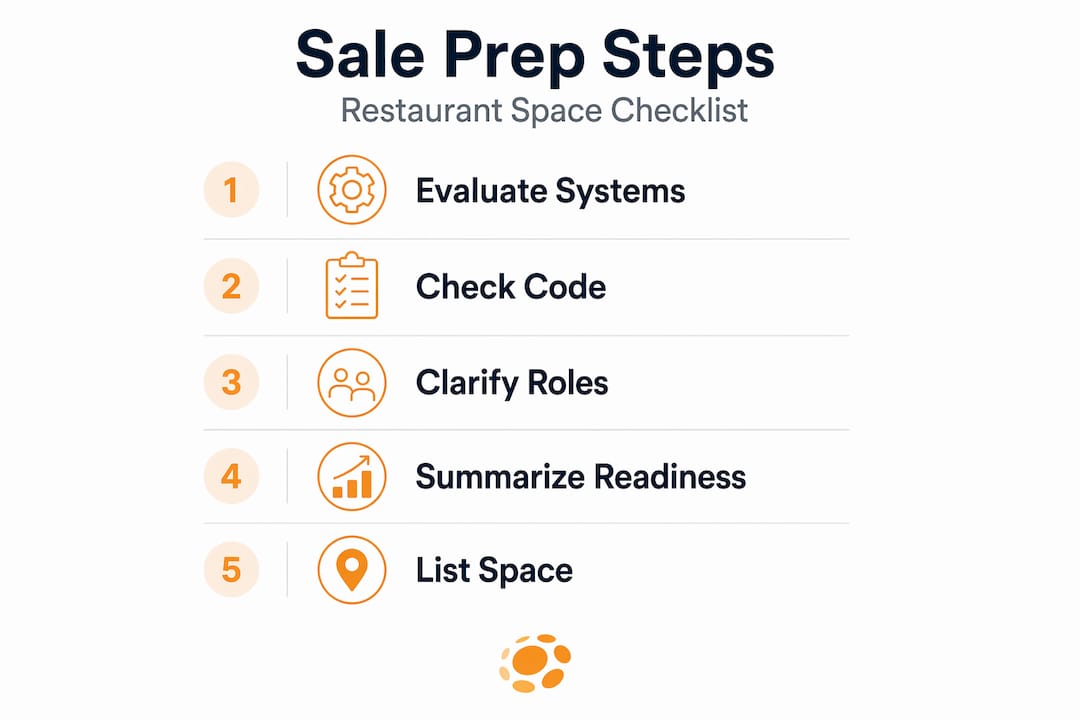
The practical implication for sellers and brokers: before you market a space, map out every decision maker and every approval step. Who signs off on the TI work letter? Who orders the hood cleaning inspection? Who coordinates with the health department? Write it down. Share it. Align everyone on timing. That one hour of coordination saves months of delay.
Pro Tip: Create a one-page “space readiness summary” before listing. It should include system ages, permit dates, service records, TI allowance terms, and a clear contact list for every approval step. Buyers and their brokers will respond to that level of preparation with speed and seriousness.
The uncomfortable reality is that restaurant space deals fail not because the kitchen isn’t good enough, but because the people around the deal aren’t organized enough. Fixtures are replaceable. Lost time and broken trust are not.
Find ready-to-launch restaurant spaces or list yours with Pepperlot
Ready to put these strategies into action, or searching for spaces already set up for restaurant success? Pepperlot is built specifically for this market.
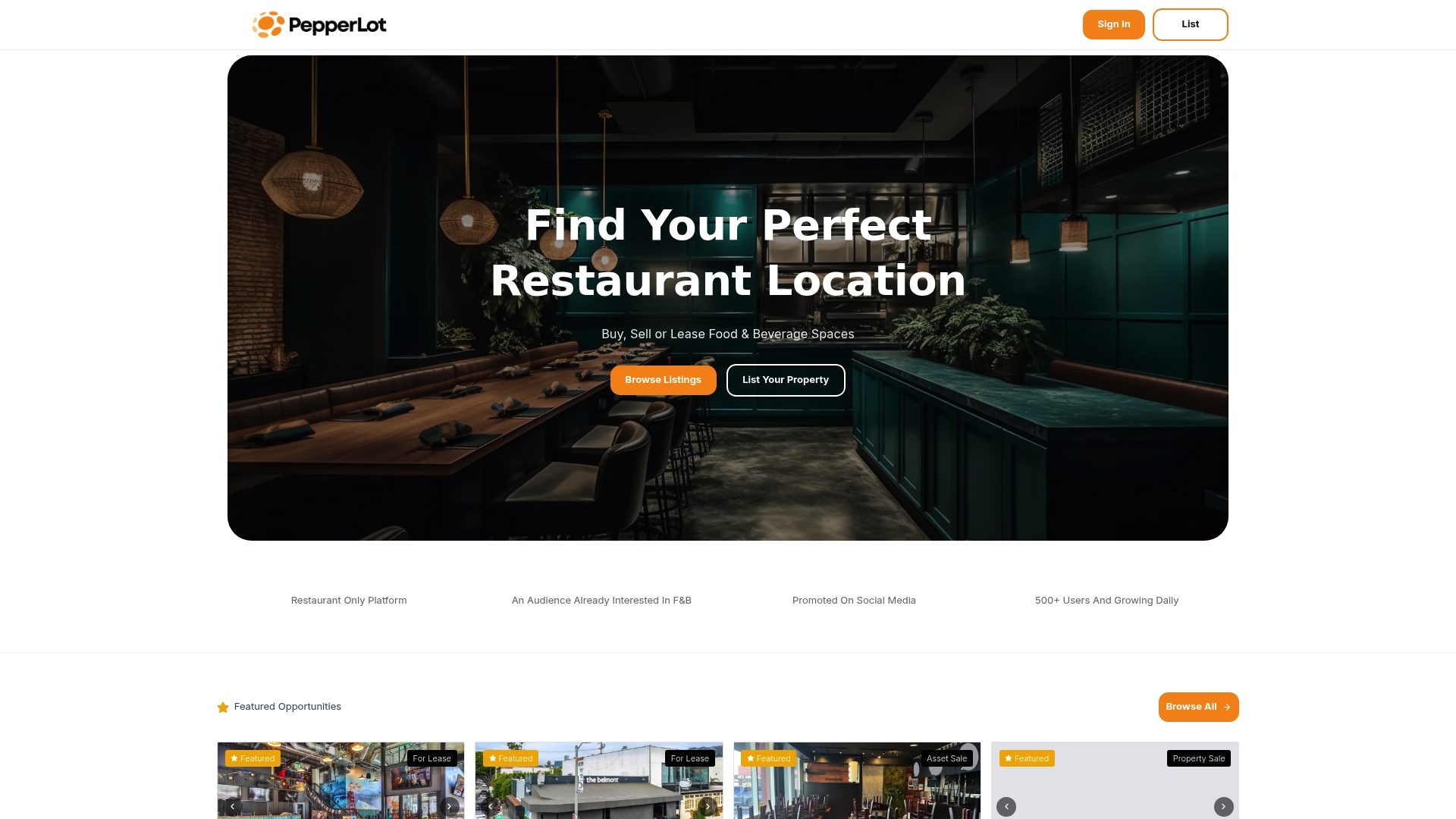
Explore ready-to-operate restaurant spaces with verified infrastructure details, including grease trap status, hood system age, seating capacity, and permit records, all in one listing view. If you’re a property owner or landlord, Pepperlot connects your space directly to a network of over 500 active operators, brokers, and investors who are searching specifically for F&B properties. The platform’s location intelligence tools also let you analyze local competition, foot traffic patterns, and demographic demand so you can price your space confidently and attract the right tenant faster. Unlike generic commercial real estate platforms, Pepperlot puts restaurant-specific detail front and center so serious buyers can act quickly.
Frequently asked questions
What is a second-generation restaurant space?
A second-generation restaurant space has been previously outfitted for food service, meaning key kitchen and utility systems are already in place. Second-generation spaces save significant build-out time and cost compared to a raw shell.
Which systems must be code-compliant before selling a restaurant space?
Key systems include kitchen venting and hoods, grease traps, commercial plumbing, electrical capacity, fire suppression, and specialized HVAC. These systems require code compliance inspections before a health department permit can be issued to a new operator.
How long does it take to prepare a restaurant space for sale?
It can range from a few weeks for a well-maintained second-generation space to several months for a shell or a property needing major system upgrades. Core kitchen and utility upgrades significantly extend the preparation timeline and should be assessed early.
Who is responsible for restaurant tenant improvements, the landlord or tenant?
Responsibility is defined in the lease’s work letter. Typically, landlords handle base-building systems while tenants manage kitchen, hood, and interior finishes. Leases must specify these divisions clearly to prevent delays and disputes during build-out.
Is workflow more important than kitchen size in restaurant space value?
Yes. A well-configured small kitchen matched to the right service style consistently outperforms a large, poorly laid-out space. Workflow suitability is one of the primary factors experienced operators evaluate when assessing a space’s true operational value.
Recommended
- How to Sell a Restaurant Space in California — The Complete Guide for Owners and Investors | PepperLot Blog
- How to Lease Restaurant Space: Step-by-Step Guide – Pepperlot Blog
- How to Buy a Restaurant: A Step-by-Step Guide for First-Time Buyers | PepperLot Blog
- Step-by-step guide to buying restaurant property – Pepperlot Blog
Leave a Reply