Blog

  • What Should I Do With the Los Angeles Health Department When I Take Over an Existing Restaurant?

    What Should I Do With the Los Angeles Health Department When I Take Over an Existing Restaurant?

    Published by PepperLot | Restaurant Real Estate & Acquisition

    Taking over an existing restaurant in Los Angeles is one of the most efficient paths to becoming a food service operator. You inherit a functional kitchen, existing equipment, a trained customer base, and ideally a space that is already permitted and ready to operate. But one critical step that many new operators underestimate is the required interaction with the Los Angeles County Department of Public Health Environmental Health Division and specifically, the process of obtaining a new Public Health Permit in your name.

    Here is the definitive guide to what you need to know, do, and prepare when dealing with the Los Angeles County Health Department as part of a restaurant takeover.
    Understanding Why You Need a New Health Permit

    This is the most important point to understand upfront: the Public Health Operating Permit issued by the Los Angeles County Department of Public Health is non-transferable. It is issued specifically to a named individual or entity, for a specific location, for a specific type of operation, and for a specific permit period. When ownership of a restaurant changes hands, the prior owner’s health permit does not convey to the new owner it terminates.

    Operating a food facility without a valid, current Public Health Permit is a serious legal violation that can result in immediate closure, significant fines, and reputational damage. As the new owner, your first compliance obligation is to obtain your own permit before or at the earliest possible point after the change of ownership. The Department provides a defined process for change of ownership situations, and understanding that process thoroughly is essential before you close your acquisition deal.

    Step 1: Contact the District Office Before You Close
    The Los Angeles County Department of Public Health operates through a network of district offices located throughout the county. As soon as you know you are moving forward with a restaurant acquisition, contact the district office closest to the restaurant’s location to notify them of the upcoming ownership change and to schedule a change of ownership inspection.

    Changes of ownership for any food business require a contact with the district office to schedule an inspection that will determine whether the business is in compliance with the relevant health and safety codes. Do not wait until after you have signed the purchase agreement or taken possession of the keys, starting this process early gives you critical information about any existing compliance issues before you are legally bound to the deal.

    You can find district office locations and contact information on the Los Angeles County Department of Public Health Environmental Health website at publichealth.lacounty.gov/eh. The general permits and licensing unit can also be reached by phone or at EHPermits@ph.lacounty.gov.

    Step 2: Determine Whether Plan Check Is Required
    Whether you need to go through the full Plan Check process before receiving your permit depends on what changes, if any, you intend to make to the food facility. The Los Angeles County Department of Public Health’s Construction Requirements for Retail Food Facilities outline the following scenarios that trigger a Plan Check requirement:
    • No major changes: If you are taking over an existing restaurant with no plans for structural changes, equipment additions, or changes to the method of operation, you may qualify for a streamlined change of ownership process. You will still need an inspection, but you may not need a formal Plan Check submission.
    • Structural or equipment changes: If you plan to add, relocate, or significantly modify any kitchen equipment, including replacing cooking equipment, adding refrigeration, changing the layout of the prep area, or adding a hood system, Plan Check is required before that work begins.
    • Change in operation type: If you are changing the restaurant’s operational scope, for example, converting from a limited menu operation to a full-service kitchen, or adding a catering component, Plan Check is required to review the proposed changes against the California Retail Food Code.
    • Revoked permit: If the prior owner’s permit was revoked (rather than simply lapsed due to non-renewal), a full Plan Check process is required before the new permit can be issued.
    When in doubt, request a Plan Check Site Evaluation from the district office. A health inspector will visit the facility and assess whether plans are required, a proactive step that can prevent costly surprises after you take possession.

    Step 3: Prepare and Submit the Permit Application
    Whether or not Plan Check is required, you will need to complete and submit the Los Angeles County Public Health Permit/License Application. This form must be completed in full, with all fields addressed. Key information required includes:
    • Legal name of the business entity and owner(s)
    • Business address and facility contact information
    • Type of food facility and description of operations
    • Owner’s personal contact information (kept confidential by the department)
    • California Seller’s Permit number (issued by the California Department of Tax and Fee Administration, CDTFA)
    Applications can be submitted in person at a district office, by mail to the Environmental Health Division, or electronically via EHPermits@ph.lacounty.gov. The department recommends submitting your application at least 30 days before your intended start of operations to allow sufficient processing time.
    Acceptable forms of payment for in-person submissions include cash, check, cashier’s check, or money order. Cash payments must be in the exact amount.

    Step 4: Pay the Health Permit Fee
    Health permit fees in Los Angeles County are based on the type and size of your food facility. Annual permit fees for restaurants as of the most recent fee schedule include approximately $772 per year for small restaurants under 25 seats, $1,070 per year for medium restaurants with 26 to 50 seats, and up to $1,472 per year for large restaurants with 51 or more seats. There are additional one-time fees for Plan Check review if required.

    These fees are paid annually and must be kept current. Failure to maintain a current Public Health Permit may result in the closure of the facility under Los Angeles County Code and the California Health and Safety Code.

    Step 5: Pass the Pre-Opening Inspection
    Once your application is processed and fees are paid, a health inspector will conduct a pre-opening inspection of the facility. The inspector will evaluate the following areas:
    • Food storage temperatures and practices
    • Kitchen equipment condition, functionality, and ANSI certification
    • Handwashing sink accessibility and proper soap and towel supply
    • Three-compartment sink setup and sanitizer concentration
    • Pest control measures and evidence of infestation
    • Condition of walls, floors, and ceilings in food preparation areas
    • Employee food handler certification (California Food Handler Cards are required for all food handlers)
    • Adequate refrigeration and temperature monitoring systems
    If the facility passes inspection, your new Public Health Permit is issued and you can legally operate. If deficiencies are noted, the inspector will provide a correction notice outlining the issues and required corrective actions before the permit is issued. Addressing these promptly is essential to avoid delays in your opening.

    Step 6: Ensure All Employees Hold Food Handler Cards
    California law requires that all food handlers in a food facility obtain a California Food Handler Card from an accredited food safety training provider within 30 days of hiring. Food Handler Cards are obtained by completing an accredited food safety training course and passing an examination. The cost is typically $7 to $15 per employee. As the new owner, verify that all employees you are retaining from the prior operation hold current, valid Food Handler Cards, and schedule training for any employees who do not.
    Additionally, at least one employee with a valid Food Safety Manager Certification, a more comprehensive certification than the basic Food Handler Card, must be present and responsible for food safety operations at all times. The Certified Food Protection Manager (CFPM) certification is typically obtained through a proctored examination such as the ServSafe Food Manager exam.
    Step 7: Address Any Outstanding Health Code Violations from the Prior Owner

    One of the most important pre-acquisition due diligence steps is reviewing the prior owner’s inspection history and any outstanding health code violations or compliance orders. The Los Angeles County Department of Public Health publishes restaurant inspection results publicly accessible through the Environmental Health Division’s online restaurant inspection report system.

    Before closing your acquisition, research the facility’s recent inspection history. A pattern of recurring violations particularly violations related to rodent or cockroach activity, improper food temperatures, or inadequate handwashing facilities may signal systemic infrastructure or practice problems that will require significant investment to resolve. Outstanding compliance orders from the prior owner do not simply disappear when ownership changes; the new owner becomes responsible for bringing the facility into compliance as a condition of permit issuance.
    Other Permits and Licenses to Coordinate

    The health permit is one of several permits and licenses required to legally operate a restaurant in Los Angeles County. Depending on your concept and intended operations, you may also need to coordinate with:
    • Los Angeles Department of Building and Safety (LADBS): For any structural, plumbing, electrical, or mechanical work associated with your build-out or renovation.
    • California Department of Alcoholic Beverage Control (ABC): For any on-premises alcohol sales, including beer and wine (Type 41 license) or full bar service (Type 47 license). ABC licenses are not transferable and require a new application, background check, and public notification process for each new owner.
    • Los Angeles Fire Department (LAFD): For fire suppression system inspection and certificate of occupancy requirements.
    • City of Los Angeles Business Tax Registration Certificate: Required for all businesses operating within the City of Los Angeles.
    • California Seller’s Permit: Required to collect and remit California sales tax, issued by the California Department of Tax and Fee Administration.

    Find Your Next Restaurant Acquisition on PepperLot
    PepperLot is the marketplace built exclusively for restaurant real estate in California. Browse restaurants for sale across Los Angeles, San Diego, San Francisco, and beyond. Access restaurant-specific deal tools including LOI templates, financial forms, and location intelligence to make smarter acquisition decisions. Visit pepperlot.com to explore available opportunities.

    Browse restaurant space for lease and restaurants for sale on PepperLot.
  • What Zoning Requirements Should You Check Before Signing a Restaurant Lease in California?

    What Zoning Requirements Should You Check Before Signing a Restaurant Lease in California?

    Published by PepperLot | Restaurant Real Estate & Acquisition

    Signing a lease on a restaurant space is one of the most significant financial commitments you will make as an operator. Once a lease is executed, you are legally obligated often for five to ten years or more regardless of whether the underlying zoning and permitting situation supports your intended use. Before you sign anything, a thorough review of zoning requirements is not optional. It is one of the most important pieces of due diligence you can perform, and failing to do it correctly can result in costly delays, required variances or conditional use permits, or in the worst case the discovery that your concept cannot legally operate at the location at all.

    This guide explains the key zoning requirements California restaurant operators must verify before committing to a lease, with specific guidance for Los Angeles and other major California markets.
    Understanding Zoning Designations in California

    California became the birthplace of modern land use zoning in 1908, and the state’s municipalities have developed complex, layered zoning systems in the more than a century since. Local governments not the state control most zoning decisions in California, which means zoning rules vary significantly from city to city and even neighborhood to neighborhood within a single city.
    At the most basic level, zoning codes divide land into categories: residential zones (R designations), commercial zones (C designations), industrial zones (M designations), and mixed-use zones that combine multiple categories. Restaurants are generally permitted in commercial zones, but the specific type of commercial zone and the specific type of restaurant you plan to operate determines whether your use is permitted by right, requires a conditional use permit (CUP), or is prohibited entirely.
    In Los Angeles, for example, the municipal code includes several tiers of commercial zoning: the CR (Limited Commercial/Residential) zone, C1 (Limited Commercial), C1.5 (Limited Commercial), C2 (Commercial), C4 (Commercial), and others. Each zone has a specific list of permitted uses and associated conditions. A full-service restaurant is generally permitted in C2 and higher commercial zones in Los Angeles, but restaurants with drive-through service adjacent to residential zones may require a conditional use permit under the city’s code.

    Key Zoning Checks Before Signing a Restaurant Lease

    1. Confirm the Space Is Zoned for Your Specific Restaurant Use
    The most fundamental check is verifying that the property’s current zoning designation permits the type of restaurant you intend to operate. Do not rely on a landlord’s verbal assurance that “restaurants are allowed here.” Obtain the official zoning information directly from the city or county planning department, either through an in-person inquiry, an online zoning portal, or a formal zoning verification letter.
    Pay particular attention to distinctions between use types. In many California jurisdictions, a coffee shop or bakery may have a different zoning classification than a full-service restaurant, which may differ again from a bar or nightclub. If your concept involves late-night hours, live entertainment, or alcohol service, these elements may trigger additional conditional use requirements even in zones where a basic restaurant is permitted by right.

    2. Check Whether a Conditional Use Permit Is Required
    Even in a commercially zoned area, many California cities require a Conditional Use Permit (CUP) for certain restaurant-related activities. Common triggers for CUP requirements in California include: alcohol service (beer, wine, or full liquor), late-night operations (typically defined as operating past 11 PM or midnight), entertainment or live music, outdoor dining or patio areas in some jurisdictions, and drive-through service adjacent to residential zones.
    CUPs are not guaranteed approvals they require a formal application, a public hearing process, and the payment of application fees. The timeline for CUP approval in Los Angeles can range from three to six months or longer, depending on the complexity of the application and whether any objections are raised during the public hearing process. If a CUP is required for your intended operation, factor this timeline into your pre-opening schedule and understand that the permit could be denied or conditioned in ways that affect your business model.

    3. Verify Parking Requirements
    Parking is a significant and frequently overlooked zoning issue for restaurant operators in California. Most commercial zones require a minimum number of parking spaces per square foot of restaurant use. Historically, these ratios have been substantial often one parking space per 75 to 100 square feet of dining area but this has been in flux in California following Assembly Bill 2097, which took effect January 1, 2023.
    AB 2097 prohibits public agencies from enforcing minimum parking requirements for developments located within half a mile of a major transit stop. This has eliminated or reduced parking minimums for many urban restaurant locations in transit-rich areas like Downtown Los Angeles, Hollywood, Koreatown, and Westside corridors near Metro stations. However, properties outside the half-mile transit proximity threshold remain subject to local parking minimums.
    Before signing a lease, confirm whether the property meets the parking requirements for your intended use, whether any existing parking non-conformities are grandfathered, and whether AB 2097 transit proximity applies to the site.

    4. Check Signage Restrictions
    Signage is a revenue-generating asset for restaurants it drives walk-in traffic, reinforces brand identity, and contributes to street-level discovery. But zoning codes and local sign ordinances impose significant restrictions on the size, placement, illumination, and type of signage permitted at commercial properties.
    Key questions to investigate include: What is the maximum permitted sign area for the property? Is a monument sign at the street allowed? Are illuminated signs permitted, and if so, are there restrictions on the type of illumination (backlit, LED, neon)? Are there special restrictions in Historic Preservation Overlay Zones (HPOZs), Specific Plan Areas, or other overlay districts that may apply to the property?
    Review sign regulations before signing the lease and negotiate explicit signage rights into the lease agreement, including the right to install signage consistent with applicable regulations without requiring separate landlord approval for each sign change.

    5. Investigate Environmental and Special Overlay Zones
    California has an extensive system of special zoning overlays that layer additional requirements on top of base commercial zoning. Relevant overlays for restaurant operators include: Historic Preservation Overlay Zones (HPOZs), which restrict exterior modifications and may impose design review requirements on signage and facade changes; Specific Plan Areas, which are custom zoning frameworks applied to particular districts with their own permitted use lists and development standards; Coastal Zone areas, where the California Coastal Commission has jurisdiction and imposes additional review requirements for development and changes of use; and Flood Zone designations, which affect building requirements and insurance obligations.
    In Los Angeles specifically, much of the city is covered by one or more overlay zones, and it is not uncommon for a commercially zoned parcel to also fall within an HPOZ, a Specific Plan, a Transit-Oriented Community (TOC) overlay, and a Hillside area each with their own requirements. A title report and a review of the city’s zoning portal or a call to the Planning Department can identify applicable overlays for any specific address.

    6. Confirm Change of Use Requirements
    If the space you are leasing was not previously used as a restaurant, for example, if it was a retail store, office, or light industrial space, converting it to restaurant use triggers a formal Change of Use process with the local building department. This typically requires a building permit application, plan check review by multiple departments (Building, Fire, Health, Planning), and may require significant infrastructure upgrades to meet commercial kitchen standards: grease traps, hood systems, ventilation, gas line capacity, plumbing for a three-compartment sink and dedicated hand-washing sink, and enhanced electrical service.
    Change of Use permits for restaurant conversions in Los Angeles can take six to twelve months or more to process and approve. The cost of bringing a non-restaurant space up to code for food service use can be substantial, often $100,000 or more, and should be factored into your total build-out budget and lease negotiation. Always request a Tenant Improvement Allowance from the landlord to offset a portion of these costs, particularly when converting a non-food use space.

    7. Review California’s Commercial Tenant Protection Act (SB 1103)
    Effective January 1, 2025, California’s SB 1103 the Commercial Tenant Protection Act introduced new requirements for landlords leasing space to serious commercial tenants, including restaurants with fewer than 10 employees. Under SB 1103, landlords must provide serious commercial tenants with a notice of their right to inspect expense documentation before lease execution, and operating expense pass-throughs must meet specific proportionality and documentation requirements. Landlords who fail to comply with these new rules before lease execution may face significant liability. As a restaurant tenant, understanding your rights under SB 1103 is a meaningful new protection particularly when negotiating NNN lease terms.
    Working with a Restaurant Real Estate Specialist

    Given the complexity of zoning due diligence in California, working with a broker or attorney who specializes in restaurant real estate is strongly advisable. A knowledgeable commercial real estate professional can identify potential zoning issues before you invest significant time and money in a lease negotiation, help you understand which CUP requirements apply to your concept, and connect you with planning consultants who can navigate the entitlement process efficiently.
    Platforms like PepperLot are designed specifically for restaurant real estate professionals and operators, providing the location-specific data and deal infrastructure to support informed site decisions.

    Find Pre-Zoned Restaurant Spaces on PepperLot
    Search restaurant leases across California on PepperLot the marketplace built exclusively for food and beverage real estate. Every listing is an F&B business or restaurant-ready space, eliminating the noise of general commercial listings. Use our advanced filters and location intelligence to find spaces zoned and permitted for your concept. Visit pepperlot.com to start your search.
     
    What Should I Do With the Los Angeles Health Department When I Take Over an Existing Restaurant?
    Published by PepperLot | Restaurant Real Estate & Acquisition
    Taking over an existing restaurant in Los Angeles is one of the most efficient paths to becoming a food service operator. You inherit a functional kitchen, existing equipment, a trained customer base, and ideally a space that is already permitted and ready to operate. But one critical step that many new operators underestimate is the required interaction with the Los Angeles County Department of Public Health Environmental Health Division and specifically, the process of obtaining a new Public Health Permit in your name.

    Here is the definitive guide to what you need to know, do, and prepare when dealing with the Los Angeles County Health Department as part of a restaurant takeover.
    Understanding Why You Need a New Health Permit
    This is the most important point to understand upfront: the Public Health Operating Permit issued by the Los Angeles County Department of Public Health is non-transferable. It is issued specifically to a named individual or entity, for a specific location, for a specific type of operation, and for a specific permit period. When ownership of a restaurant changes hands, the prior owner’s health permit does not convey to the new owner it terminates.

    Operating a food facility without a valid, current Public Health Permit is a serious legal violation that can result in immediate closure, significant fines, and reputational damage. As the new owner, your first compliance obligation is to obtain your own permit before or at the earliest possible point after the change of ownership. The Department provides a defined process for change of ownership situations, and understanding that process thoroughly is essential before you close your acquisition deal.

    Step 1: Contact the District Office Before You Close
    The Los Angeles County Department of Public Health operates through a network of district offices located throughout the county. As soon as you know you are moving forward with a restaurant acquisition, contact the district office closest to the restaurant’s location to notify them of the upcoming ownership change and to schedule a change of ownership inspection.
    Changes of ownership for any food business require a contact with the district office to schedule an inspection that will determine whether the business is in compliance with the relevant health and safety codes. Do not wait until after you have signed the purchase agreement or taken possession of the keys starting this process early gives you critical information about any existing compliance issues before you are legally bound to the deal.
    You can find district office locations and contact information on the Los Angeles County Department of Public Health Environmental Health website at publichealth.lacounty.gov/eh. The general permits and licensing unit can also be reached by phone or at EHPermits@ph.lacounty.gov.

    Step 2: Determine Whether Plan Check Is Required
    Whether you need to go through the full Plan Check process before receiving your permit depends on what changes, if any, you intend to make to the food facility. The Los Angeles County Department of Public Health’s Construction Requirements for Retail Food Facilities outline the following scenarios that trigger a Plan Check requirement:
    • No major changes: If you are taking over an existing restaurant with no plans for structural changes, equipment additions, or changes to the method of operation, you may qualify for a streamlined change of ownership process. You will still need an inspection, but you may not need a formal Plan Check submission.
    • Structural or equipment changes: If you plan to add, relocate, or significantly modify any kitchen equipment, including replacing cooking equipment, adding refrigeration, changing the layout of the prep area, or adding a hood system, Plan Check is required before that work begins.
    • Change in operation type: If you are changing the restaurant’s operational scope for example, converting from a limited menu operation to a full-service kitchen, or adding a catering component Plan Check is required to review the proposed changes against the California Retail Food Code.
    • Revoked permit: If the prior owner’s permit was revoked (rather than simply lapsed due to non-renewal), a full Plan Check process is required before the new permit can be issued.
    When in doubt, request a Plan Check Site Evaluation from the district office. A health inspector will visit the facility and assess whether plans are required a proactive step that can prevent costly surprises after you take possession.

    Step 3: Prepare and Submit the Permit Application
    Whether or not Plan Check is required, you will need to complete and submit the Los Angeles County Public Health Permit/License Application. This form must be completed in full, with all fields addressed. Key information required includes:
    • Legal name of the business entity and owner(s)
    • Business address and facility contact information
    • Type of food facility and description of operations
    • Owner’s personal contact information (kept confidential by the department)
    • California Seller’s Permit number (issued by the California Department of Tax and Fee Administration, CDTFA)
    Applications can be submitted in person at a district office, by mail to the Environmental Health Division, or electronically via EHPermits@ph.lacounty.gov. The department recommends submitting your application at least 30 days before your intended start of operations to allow sufficient processing time.
    Acceptable forms of payment for in-person submissions include cash, check, cashier’s check, or money order. Cash payments must be in the exact amount.

    Step 4: Pay the Health Permit Fee
    Health permit fees in Los Angeles County are based on the type and size of your food facility. Annual permit fees for restaurants as of the most recent fee schedule include approximately $772 per year for small restaurants under 25 seats, $1,070 per year for medium restaurants with 26 to 50 seats, and up to $1,472 per year for large restaurants with 51 or more seats. There are additional one-time fees for Plan Check review if required.

    These fees are paid annually and must be kept current. Failure to maintain a current Public Health Permit may result in the closure of the facility under Los Angeles County Code and the California Health and Safety Code.

    Step 5: Pass the Pre-Opening Inspection
    Once your application is processed and fees are paid, a health inspector will conduct a pre-opening inspection of the facility. The inspector will evaluate the following areas:
    • Food storage temperatures and practices
    • Kitchen equipment condition, functionality, and ANSI certification
    • Handwashing sink accessibility and proper soap and towel supply
    • Three-compartment sink setup and sanitizer concentration
    • Pest control measures and evidence of infestation
    • Condition of walls, floors, and ceilings in food preparation areas
    • Employee food handler certification (California Food Handler Cards are required for all food handlers)
    • Adequate refrigeration and temperature monitoring systems
    If the facility passes inspection, your new Public Health Permit is issued and you can legally operate. If deficiencies are noted, the inspector will provide a correction notice outlining the issues and required corrective actions before the permit is issued. Addressing these promptly is essential to avoid delays in your opening.

    Step 6: Ensure All Employees Hold Food Handler Cards
    California law requires that all food handlers in a food facility obtain a California Food Handler Card from an accredited food safety training provider within 30 days of hiring. Food Handler Cards are obtained by completing an accredited food safety training course and passing an examination. The cost is typically $7 to $15 per employee. As the new owner, verify that all employees you are retaining from the prior operation hold current, valid Food Handler Cards, and schedule training for any employees who do not.
    Additionally, at least one employee with a valid Food Safety Manager Certification a more comprehensive certification than the basic Food Handler Card must be present and responsible for food safety operations at all times. The Certified Food Protection Manager (CFPM) certification is typically obtained through a proctored examination such as the ServSafe Food Manager exam.

    Step 7: Address Any Outstanding Health Code Violations from the Prior Owner
    One of the most important pre-acquisition due diligence steps is reviewing the prior owner’s inspection history and any outstanding health code violations or compliance orders. The Los Angeles County Department of Public Health publishes restaurant inspection results publicly accessible through the Environmental Health Division’s online restaurant inspection report system.

    Before closing your acquisition, research the facility’s recent inspection history. A pattern of recurring violations particularly violations related to rodent or cockroach activity, improper food temperatures, or inadequate handwashing facilities may signal systemic infrastructure or practice problems that will require significant investment to resolve. Outstanding compliance orders from the prior owner do not simply disappear when ownership changes; the new owner becomes responsible for bringing the facility into compliance as a condition of permit issuance.
    Other Permits and Licenses to Coordinate

    The health permit is one of several permits and licenses required to legally operate a restaurant in Los Angeles County. Depending on your concept and intended operations, you may also need to coordinate with:
    • Los Angeles Department of Building and Safety (LADBS): For any structural, plumbing, electrical, or mechanical work associated with your build-out or renovation.
    • California Department of Alcoholic Beverage Control (ABC): For any on-premises alcohol sales, including beer and wine (Type 41 license) or full bar service (Type 47 license). ABC licenses are not transferable and require a new application, background check, and public notification process for each new owner.
    • Los Angeles Fire Department (LAFD): For fire suppression system inspection and certificate of occupancy requirements.
    • City of Los Angeles Business Tax Registration Certificate: Required for all businesses operating within the City of Los Angeles.
    • California Seller’s Permit: Required to collect and remit California sales tax, issued by the California Department of Tax and Fee Administration.

    Find Your Next Restaurant Acquisition on PepperLot
    PepperLot is the marketplace built exclusively for restaurant real estate in California. Browse restaurants for sale across Los Angeles, San Diego, San Francisco, and beyond. Access restaurant-specific deal tools including LOI templates, financial forms, and location intelligence to make smarter acquisition decisions. Visit pepperlot.com to explore available opportunities.

    Browse restaurant space for lease on PepperLot.

    Browse restaurant space for lease on PepperLot.

  • The Difficulties of Leasing a Restaurant in Los Angeles

    The Difficulties of Leasing a Restaurant in Los Angeles
    Published by PepperLot | Restaurant Real Estate & Acquisition
    Leasing a restaurant in Los Angeles sounds exciting and it is. But for the uninitiated, the road from finding a space to signing a lease can be filled with unexpected challenges, costly surprises, and complex negotiations. Los Angeles is one of the most competitive restaurant real estate markets in the country, driven by high demand, elevated rents, and a regulatory environment that demands careful attention. Whether you are an experienced operator expanding to a second location or an entrepreneur opening your first concept, understanding the difficulties ahead is essential before you commit to a space.
    This guide breaks down the most common obstacles operators face when leasing a restaurant in Los Angeles and what you can do to protect yourself at every step.
    1. High Base Rents and Escalating NNN Costs
    One of the first shocks new operators experience in the Los Angeles market is the cost of rent. Restaurant lease rates across the city vary enormously by neighborhood. In high-demand corridors Beverly Hills, West Hollywood, Santa Monica, Brentwood, Silver Lake, and the Arts District annual rents can range from $40 to over $100 per square foot, depending on the location and build-out quality. For a modest 2,000 square foot space at $50 per square foot, that is $100,000 per year in base rent alone before you account for anything else.
    The majority of restaurant leases in Los Angeles are structured as Triple Net (NNN) agreements. Under a NNN lease, tenants pay base rent plus their proportionate share of property taxes, building insurance, and Common Area Maintenance (CAM) fees. These additional costs often called NNN charges can add $8 to $20 or more per square foot annually on top of base rent. The problem is that NNN charges are estimated at lease signing, and they can escalate significantly year over year. Property tax reassessments, rising insurance premiums particularly in areas exposed to wildfire risk and landlord-controlled CAM expenditures can cause your real monthly rent to balloon in ways your opening-year proforma never anticipated.
    The key negotiating tactic here is to insist on annual caps on NNN charge increases typically three to five percent per year. Without a cap, a single property tax reassessment or a major parking lot resurfacing project can spike your monthly rent obligation with no warning and no ceiling.
    2. Personal Guarantee Requirements
    Landlords in Los Angeles routinely require personal guarantees from restaurant tenants, particularly first-time operators or businesses without a substantial operating track record. A personal guarantee means that if your restaurant fails and you cannot meet the lease obligations, the landlord can pursue your personal assets your home, savings, and other holdings to recover unpaid rent.
    Full personal guarantees covering the entire lease term are standard asks from landlords, but they represent enormous personal financial exposure. A 10-year lease with $15,000 in monthly rent obligations means a potential $1.8 million personal liability if things go sideways. Experienced operators work to negotiate “burning” personal guarantees structures where personal liability burns off over time as the tenant establishes a track record of on-time payments. A typical structure might limit personal liability to 12 to 24 months of rent rather than the full lease term. If a landlord absolutely insists on a full guarantee, consider engaging an attorney to negotiate a cap on the dollar amount of personal exposure.
    3. Lengthy and Expensive Permitting Processes
    Even after a lease is signed, opening a restaurant in Los Angeles requires navigating a complex multi-agency permitting process. Depending on the scope of your build-out and the history of the space, you may need approvals from the Los Angeles Department of Building and Safety (LADBS), the Los Angeles County Department of Public Health Environmental Health Division, the California Department of Alcoholic Beverage Control (ABC), and potentially the City Planning Department.
    For a new build-out or a significant remodel, the timeline from permit application to certificate of occupancy can range from six months to well over a year. Plan check reviews alone can take 20 or more working days, and corrections, revisions, and re-submissions can extend that timeline substantially. In the meantime, you are typically paying rent on a space you cannot yet operate a significant carrying cost that many first-time operators underestimate in their pre-opening budgets.
    This is one of the strongest arguments for leasing a second-generation restaurant space with existing infrastructure already in place. Operators who take over a functional kitchen with current permits intact can dramatically compress the time between lease signing and opening day.
    4. Restrictive Use Clauses
    Restaurant leases in Los Angeles frequently include use clauses that restrict what type of food business you can operate in the space. A use clause might limit your permitted use to a very specific concept for example, “Italian dine-in restaurant” rather than broadly permitting “restaurant and food service uses.” This matters for two critical reasons.
    First, if market conditions shift and you need to pivot your concept from full-service to fast-casual, from dine-in to ghost kitchen, from Thai to Mexican a restrictive use clause may prevent you from making that change without landlord approval. Second, and more consequentially, a narrow use clause can severely limit the pool of buyers if you ever want to sell your business. If your lease says “sushi restaurant only,” a buyer who wants to operate a pizza concept cannot take over that lease without renegotiating with the landlord a process that can kill or significantly delay a sale.
    Always negotiate for the broadest possible use clause before signing. Language such as “restaurant, food service, bar, and any related or ancillary uses” provides the flexibility your business needs to adapt and remain viable over a multi-year lease term.
    5. Lease Assignment and Transferability Issues
    The ability to assign your lease to a buyer is one of the most overlooked and most consequential clauses in any restaurant lease. If your lease prohibits assignment or gives the landlord broad discretion to refuse an assignment request, you are essentially trapped. You cannot sell your restaurant without the landlord’s cooperation, and if the landlord uses that leverage to extract a higher rent or other concessions, the value of your business is dramatically diminished.
    California law does provide some protections: landlords generally cannot “unreasonably” withhold consent to a lease assignment. However, what constitutes “reasonable” is often contested, and a poorly worded lease can expose you to significant landlord leverage at the worst possible time. Your lease should explicitly state that the landlord cannot unreasonably withhold, condition, or delay consent to an assignment in connection with a bona fide sale of the business, and that the landlord will not require a rent increase as a condition of that consent.
    6. Competition for High-Quality Spaces
    Desirable restaurant-ready spaces in Los Angeles do not stay on the market long. Second-generation spaces with functional hood systems, grease traps, walk-in coolers, and existing food service permits are especially scarce and highly sought after. When a quality space becomes available in a high-traffic neighborhood, it is not unusual for multiple operators to be competing simultaneously, sometimes with landlords running informal bidding processes to extract the best terms.
    Being pre-serious, having your financials organized, and moving quickly with a Letter of Intent are essential competitive advantages in this environment. Operators who wait to get their paperwork in order after identifying a space often lose to better-prepared competitors.
    7. Wildfires, Crime, and Shifting Foot Traffic Patterns
    Los Angeles is a city of micro-markets, and foot traffic patterns have shifted considerably in recent years. Post-pandemic office vacancy has reduced lunch-time dining in many downtown and Westside business corridors. Concerns about homelessness and public safety in certain urban areas have pushed consumers toward suburban dining destinations. The devastating 2025 Los Angeles wildfires created additional disruption in affected neighborhoods, with some operators experiencing sharp declines in covers for months following the disasters.
    Before signing a lease, conduct thorough location analysis not just a visual walk of the neighborhood, but a data-driven assessment of foot traffic counts, demographic trends, income levels, competition density, and any planned construction or development that could affect access to the site. Platforms like PepperLot provide built-in location intelligence tools that give operators access to exactly this kind of market analysis before committing to a long-term lease obligation.

    Find Restaurant Spaces for Lease in Los Angeles on PepperLot
    PepperLot is built exclusively for restaurant real estate. Search available restaurant leases across Los Angeles with restaurant-specific filters hood systems, grease traps, patio seating, alcohol licenses, and more. Use our location intelligence tools to validate your site before you sign. Visit pepperlot.com to start your search today.

    Browse restaurant space for lease on PepperLot.

    Browse restaurants for sale on PepperLot.

  • Restaurant Lease Assignment vs Sublease Explained

    Restaurant Lease Assignment vs Sublease Explained

    Restaurant Lease Assignment vs Sublease Explained

    If you’re buying a restaurant, taking over an existing space, or trying to exit a lease, one question comes up fast: should you pursue a restaurant lease assignment or a sublease? While both involve transferring space to a new operator, the legal and financial differences are significant.

    This SEO-focused guide explains restaurant lease assignment vs sublease, the pros and cons of each, and how to decide which option is right for your situation.

    What Is a Restaurant Lease Assignment?

    A restaurant lease assignment occurs when the current tenant transfers all rights and obligations under the lease to a new tenant. After the assignment is completed, the new operator becomes the primary tenant under the lease.

    Key Characteristics of a Lease Assignment

    Full transfer of the lease

    New tenant assumes rent and lease obligations

    Lease terms remain unchanged

    Landlord approval is required in most cases

    Pros of a Restaurant Lease Assignment

    Long-Term Control
    You step directly into the lease and control the space for the remaining term.

    Stronger Position With Landlords & Lenders
    Assignments are generally preferred by landlords and are easier to finance.

    Clean Operational Structure
    You deal directly with the landlord, not the prior tenant.

    Cons of a Lease Assignment

    Limited Flexibility
    You inherit the lease as written, including rent escalations and guarantees.

    Landlord Conditions
    Landlords may require fees, financial disclosures, or personal guarantees.

    What Is a Restaurant Sublease?

    A restaurant sublease occurs when the existing tenant rents the space to a new operator while remaining responsible for the original (master) lease with the landlord.

    Key Characteristics of a Sublease

    Original tenant stays on the lease

    Subtenant pays rent to the original tenant

    Sublease term cannot exceed the master lease

    Landlord consent is usually required

    Pros of a Restaurant Sublease

    Faster Entry
    Subleases can move quicker, especially for turnkey spaces.

    Lower Commitment
    Ideal for pop-ups, test concepts, or short-term operations.

    Potential Cost Savings
    Some subleases offer below-market rent or included equipment.

    Cons of a Restaurant Sublease

    Higher Risk
    If the original tenant defaults, the sublease may be terminated.

    Limited Control
    You are bound by both the sublease and the master lease.

    Financing Challenges
    Banks and investors are often hesitant with subleased locations.

    Restaurant Lease Assignment vs Sublease: Comparison
    Feature Lease Assignment Sublease
    Control of Lease Full Limited
    Relationship With Landlord Direct Indirect
    Liability New tenant assumes lease Original tenant remains liable
    Financing Easier More difficult
    Best Use Case Long-term operation Short-term or test concept
    Which Option Is Better for Restaurant Operators?

    Choose a lease assignment if you:

    Are purchasing restaurant assets

    Plan to operate long-term

    Need financing or investors

    Want direct landlord control

    Choose a sublease if you:

    Want flexibility or a shorter commitment

    Are testing a new restaurant concept

    Need to open quickly

    Are comfortable with added risk

    Landlord Approval and Lease Restrictions

    Most restaurant leases require written landlord approval for both assignments and subleases. Common landlord requirements include:

    Transfer or review fees

    Financial statements

    Personal guarantees

    Use and exclusivity restrictions

    Always review the master lease before assuming a transfer is allowed.

    Common Mistakes to Avoid

    Assuming landlord consent is automatic

    Not reviewing the master lease

    Ignoring remaining lease term

    Overlooking personal guarantee exposure

    Failing to confirm permitted use

    Final Thoughts

    Understanding the difference between a restaurant lease assignment and a sublease can save operators time, money, and legal trouble. The right structure depends on your timeline, risk tolerance, and long-term plans.

    Platforms like PepperLot help restaurant operators find lease assignments, subleases, and asset sale opportunities, making it easier to compare options and move forward with confidence.

    Looking for restaurant lease takeovers or subleases? Explore available opportunities on PepperLot.

    Browse restaurant space for lease on PepperLot.

    Browse restaurant space for lease on PepperLot.

  • How to Evaluate a Restaurant Location Using Foot Traffic Data

    How to Evaluate a Restaurant Location Using Foot Traffic Data

    Intro:

    Choosing the right restaurant location can make or break your business. While rent and size matter, what really determines success is how many people pass by your door, and whether they’re your target audience.

    That’s where foot traffic and demographic data come in.
    At PepperLot.com
    , we help restaurant operators and brokers make smarter location decisions by combining real property data with restaurant-specific insights.

    Here’s how to use foot traffic, spending, and neighborhood trends to find the perfect restaurant spot.

    1. Why Foot Traffic Matters

    Foot traffic data shows how many people visit a specific area, and when.
    For restaurants, it helps answer questions like:

    Are there consistent lunch crowds on weekdays?

    Does the area get evening or weekend traffic?

    How much pedestrian vs. drive-by visibility does it get?

    Understanding these patterns helps you match your concept to the area’s natural flow. A brunch café thrives in daytime foot traffic, while a bar or dinner concept needs nighttime volume.

    💡 Pro Tip: Use platforms like Placer.ai, PepperLot’s upcoming Competitive Analysis Calculator, or local BID (Business Improvement District) reports to get foot traffic trends by time and day.

    2. Demographics: Who’s in Your Market

    High foot traffic means little if it’s not your target customer. Look at:

    Median household income (to gauge spending power)

    Age distribution (young professionals vs. families vs. retirees)

    Ethnic and cultural mix (great for concept alignment and menu design)

    You can often access these insights through PepperLot’s location intelligence tools or local census data.

    For example, if you’re opening a healthy fast-casual brand, you’ll want daytime workers and higher-income residents within a short walk or drive radius.

    3. Competition and Concept Synergy

    Proximity to other restaurants isn’t always a bad thing. In fact, restaurant clusters often perform better because they attract consistent diners and foot traffic.

    When analyzing competition:

    Identify direct competitors (same cuisine/type)

    Look for complementary concepts (coffee shops, dessert bars, bars, etc.)

    Map out daypart overlap (breakfast/lunch/dinner focus)

    💡 Pro Tip: The PepperLot Competitive Analysis Calculator will help visualize this, showing foot traffic, nearby restaurant types, and local household spending.

    4. Accessibility and Visibility

    Even the busiest street can fail a restaurant if customers can’t park or see your signage.
    When touring a space, evaluate:

    Parking access and number of stalls nearby

    Walkability and street visibility

    Signage exposure (corner lots often win big here)

    Delivery driver access for takeout or catering

    5. Real-World Example

    A recent PepperLot user was deciding between two restaurant spaces, one on a high-traffic retail street and another with lower foot traffic but better parking and visibility.

    After running both through our foot traffic and demographic tools, they chose the second space, it had higher income households within a 1-mile radius and double the weekend visits, a perfect match for their brunch concept.

    6. Make Smarter Location Decisions with PepperLot

    Restaurant real estate is all about fit, between your concept, your customer, and your location.
    PepperLot helps simplify this process by giving you:

    Verified restaurant-ready listings (with venting, hood, and grease trap info)

    Market data on foot traffic, demographics, and competition

    The ability to list your own restaurant or lease opportunity

    👉 Visit PepperLot.com
    to explore spaces or request early access to our Competitive Analysis Calculator launching soon.

    Browse restaurant space for lease and restaurants for sale on PepperLot.
  • The Hidden Costs of Building Out a Restaurant Space (and How to Avoid Them)

    The Hidden Costs of Building Out a Restaurant Space (and How to Avoid Them)

    If you’ve ever priced out a restaurant buildout, you know the shock that comes with it. Between permits, equipment, plumbing, and code compliance, even a small space can run into hundreds of thousands of dollars before your first plate hits the table.

    At PepperLot.com
    , we specialize in helping restaurateurs find second-generation restaurant spaces that already have the infrastructure in place, saving both time and money.

    Here’s a breakdown of the most common hidden costs to watch out for before signing that lease.

    1. Permits and Approvals

    Getting permits for a new restaurant can be a long and costly process. Expect fees for:

    Building and health department permits

    Conditional Use Permits (CUP) for alcohol

    Fire department and ADA compliance reviews

    In high-regulation cities like Los Angeles, delays alone can add months and thousands of dollars to your timeline.

    💡 Pro Tip: Choose a location that already has a valid CUP or restaurant use history, PepperLot lets you filter for those spaces.

    2. Plumbing and Grease Trap Installation

    New plumbing and grease interceptors are one of the biggest hidden costs in restaurant construction.
    Depending on the location and capacity, installing or upgrading a grease trap can cost $20,000, $60,000+.

    Second-generation spaces often already include these systems, meaning you can get up and running much faster and cheaper.

    3. Hood, Venting, and Fire Suppression

    Installing a new Type I hood system (for cooking with grease or smoke) costs $40,000, $100,000 depending on the size and distance to the roof.
    Fire suppression systems, exhaust ductwork, and roof penetrations add even more.

    That’s why existing restaurant spaces with functional hoods and venting are such valuable finds, they save you months of approvals and major capital.

    4. Electrical and HVAC Upgrades

    Restaurant kitchens draw heavy electrical loads, especially for equipment like fryers, dishwashers, and refrigeration.
    Older retail units often need electrical panel upgrades or HVAC replacements, which can run another $10,000, $30,000.

    When evaluating a space, always ask for the previous equipment load or as-built electrical plans.

    5. Code Compliance and Accessibility

    ADA compliance, fire codes, and health regulations are constantly evolving.
    Adding things like accessible restrooms, handwashing stations, or new exits can trigger major construction and re-inspection costs.

    💡 Pro Tip: Ask your broker or landlord for the most recent inspection reports, and check when the last Certificate of Occupancy was issued.

    6. The Value of Second-Generation Restaurant Spaces

    This is where second-generation (or “turnkey”) restaurant spaces shine.
    They already have:

    Installed hoods and grease traps

    Restrooms and ADA compliance

    Plumbing and gas lines in place

    Past restaurant use permits

    You can save $150K, $300K and open months faster, which is why PepperLot focuses specifically on restaurant-ready listings.

    Conclusion

    Before you commit to building from scratch, run the numbers.
    Sometimes that blank shell looks tempting, but when you factor in permits, plumbing, and hood systems, a second-generation restaurant space could be a smarter, faster, and more affordable choice.

    👉 Find your next restaurant-ready space or list your own at PepperLot.com
    , the marketplace built for the restaurant world.

    Browse restaurant space for lease and restaurants for sale on PepperLot.
  • Restaurant Real Estate 101: How to Find, Lease, or Buy the Right Space for Your Concept

    Restaurant Real Estate 101: How to Find, Lease, or Buy the Right Space for Your Concept

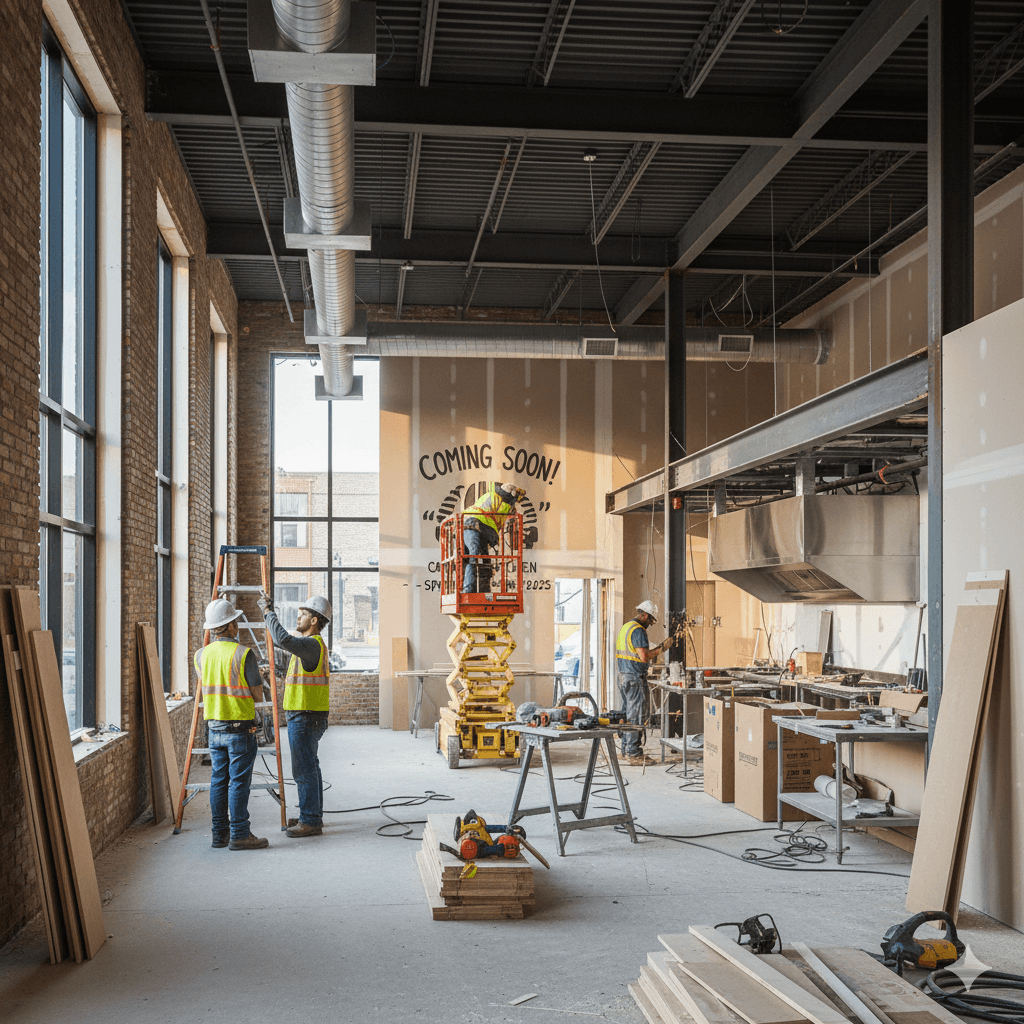
    Finding the right restaurant space can make or break your concept. Whether you’re opening your first spot or expanding a proven brand, restaurant real estate comes with its own challenges, venting, grease traps, liquor licensing, zoning, and foot traffic.
    At PepperLot.com, we specialize in helping operators, brokers, and landlords connect through verified, restaurant-ready listings, saving time, money, and headaches.
    Here’s what to know before signing your next restaurant lease or purchase agreement.
    ________________________________________
    1. Choose the Right Type of Restaurant Real Estate
    There are three main types of spaces to consider:
    • Second-generation restaurant spaces: Already built out with hoods, grease traps, and plumbing, saves you thousands in buildout costs.
    • Vanilla shell spaces: Blank canvas ready for your vision, but expect higher upfront investment.
    • Built-to-suit options: Landlord builds out to your specs, perfect for multi-unit operators with a proven concept.
    👉 Pro Tip: PepperLot lets you filter listings by venting, kitchen type, and liquor license, so you find spaces truly restaurant-ready.
    ________________________________________
    2. Understand the Lease Terms
    Restaurant leases are more complex than standard retail deals.
    Pay attention to:
    • Length of term & options to renew
    • Rent escalations
    • Tenant improvement (TI) allowances
    • CUP or zoning restrictions
    • Percentage rent clauses (based on sales)
    If the landlord doesn’t understand restaurant operations, clarify key needs like hood venting, waste line access, and delivery zones early.
    ________________________________________
    3. Analyze Location Data
    A great restaurant space doesn’t just look right, it performs right.
    Review:
    • Foot traffic & daytime population
    • Parking availability & visibility
    • Household income & demographics
    • Nearby operators (complementary or competitive)
    💡 Use PepperLot’s upcoming Competitive Analysis Calculator to compare nearby restaurants, visitor trends, and local spending power.
    ________________________________________
    4. Check Infrastructure and Compliance
    Never assume the existing setup meets code.
    Verify:
    • Grease trap capacity
    • Hood and fire suppression system
    • Electrical load & HVAC condition
    • ADA and health department compliance
    These details directly impact your opening timeline and budget.
    ________________________________________
    5. Consider Resale and Exit Potential
    Even if you’re in it for the long run, always think resale.
    Spaces in established restaurant corridors (like Culver City, Old Pasadena, or Downtown LA) hold stronger resale value because they’re proven markets with high operator demand.
    Listing your restaurant for sale on PepperLot lets you reach buyers who are ready to move looking specifically for turnkey operations.
    ________________________________________
    6. Work With Restaurant-Specific Brokers
    Not all brokers understand restaurant infrastructure or licensing. Working with an agent who specializes in restaurant real estate helps you avoid zoning or permitting delays, and they can often spot hidden costs before you commit.
    You can also browse verified listings directly on PepperLot.com, where brokers list only restaurant-ready properties.
    ________________________________________
    Conclusion
    Restaurant real estate is one of the most overlooked, yet most important, parts of launching a successful concept. By focusing on infrastructure, lease terms, and local demand data, you set your business up for success from day one.
    Ready to find your next space?
    👉 Browse verified restaurant listings or add your own at PepperLot.com, the marketplace built for the restaurant world.

    Browse restaurant space for lease on PepperLot.

    Browse restaurants for sale and sell a restaurant on PepperLot.

  • The Real Cost of Leasing a Restaurant in LA

    The Real Cost of Leasing a Restaurant in LA

    The Real Cost of Leasing a Restaurant in LA: What to Expect in 2025
    Opening a restaurant in Los Angeles is an exciting venture, but understanding the true cost of leasing a space is crucial for financial planning and long-term success. In 2025, the dynamics of the LA commercial real estate market have evolved, influenced by factors like market stabilization, tenant protections, and shifting demand patterns. This guide provides an in-depth look at what restaurateurs can expect when leasing a restaurant space in LA this year.
    ________________________________________
    📊 Average Lease Rates in Los Angeles
    The cost of leasing a restaurant space in Los Angeles varies significantly based on location, size, and market demand. Here’s a snapshot of average lease rates per square foot in key areas:
    • Citywide Average: Approximately $53 per square foot annually, translating to about $4.42 per square foot per month.
    • West Los Angeles: Around $51 per square foot annually.
    • East Los Angeles: Approximately $32 per square foot annually.
    • Downtown LA: Retail spaces average $3.08 per square foot per month.
    • Santa Monica: Retail spaces average $58.59 per square foot annually.
    These figures highlight the variability in lease costs across different neighborhoods, influenced by factors such as foot traffic, local demand, and proximity to key attractions.
    ________________________________________
    🧾 Understanding Lease Structures
    Restaurant leases in Los Angeles typically follow one of three structures:
    1. Gross Lease: The landlord covers all operating expenses, including taxes, insurance, and maintenance. This structure provides predictable costs for tenants.
    2. Net Lease: Tenants pay a base rent plus a share of operating expenses. There are variations:
    o Single Net Lease (N Lease): Tenant pays base rent and property taxes.
    o Double Net Lease (NN Lease): Tenant pays base rent, property taxes, and insurance.
    o Triple Net Lease (NNN Lease): Tenant pays base rent plus property taxes, insurance, and maintenance costs.
    Understanding these structures is vital for budgeting and financial planning.
    ________________________________________
    🛠️ Additional Costs to Consider
    Beyond base rent, restaurateurs should anticipate the following expenses:
    • Common Area Maintenance (CAM) Fees: Charges for shared spaces and services in multi-tenant properties.
    • Utilities: Costs for electricity, water, gas, and trash services.
    • Property Taxes and Insurance: Depending on the lease structure, these may be the tenant’s responsibility.
    • Renovation and Build-Out Costs: Expenses for customizing the space to meet operational needs.
    • Permits and Licenses: Costs associated with obtaining necessary legal approvals to operate.
    These additional costs can significantly impact the overall budget and should be factored into the financial planning process.
    ________________________________________
    🏙️ Neighborhood-Specific Insights
    Different neighborhoods in Los Angeles offer unique opportunities and challenges for restaurateurs:
    • Downtown LA: Offers a mix of historical charm and modern amenities, attracting a diverse clientele.
    • West Los Angeles: Known for its affluent demographic and high foot traffic, leading to higher lease rates.
    • East Los Angeles: Provides more affordable leasing options with a rich cultural heritage, appealing to a vibrant community.
    • Santa Monica: A prime location with high tourist traffic, but correspondingly high lease costs.
    Each neighborhood presents distinct advantages and considerations, making it essential to align the restaurant concept with the chosen location.
    ________________________________________
    ⚖️ Legal Considerations in 2025
    Starting January 1, 2025, California’s Senate Bill 1103 introduces new protections for “qualifying commercial tenants,” including:
    • Limitations on Rent Increases: Caps on how much and how often rent can be increased during the lease term.
    • Extended Notice Periods: Requirements for longer notice before lease terminations or rent hikes.
    • Enhanced Negotiation Rights: Strengthened ability for tenants to negotiate lease terms.
    These protections aim to provide greater stability and predictability for commercial tenants in California.
    ________________________________________
    💡 Tips for Restaurateurs
    To navigate the leasing landscape effectively:
    • Conduct Thorough Market Research: Understand local market conditions and comparable lease rates.
    • Engage a Real Estate Professional: Work with brokers experienced in restaurant leases to identify suitable properties.
    • Negotiate Lease Terms: Aim for favorable terms, including rent escalations, lease duration, and renewal options.
    • Plan for Additional Costs: Budget for CAM fees, utilities, and other operational expenses.
    • Understand Legal Protections: Stay informed about tenant rights and protections under California law.
    ________________________________________
    📌 Final Thoughts
    Leasing a restaurant space in Los Angeles in 2025 requires careful consideration of various factors, including lease structures, additional costs, neighborhood dynamics, and legal protections. By conducting thorough research and planning, restaurateurs can make informed decisions that align with their business goals and financial capabilities.

    Browse restaurant space for lease on PepperLot.

    Browse restaurants for sale on PepperLot.
  • Top Los Angeles Neighborhoods for New Restaurant Concepts

    Top Los Angeles Neighborhoods for New Restaurant Concepts

    Top Los Angeles Neighborhoods for New Restaurant Concepts in 2025
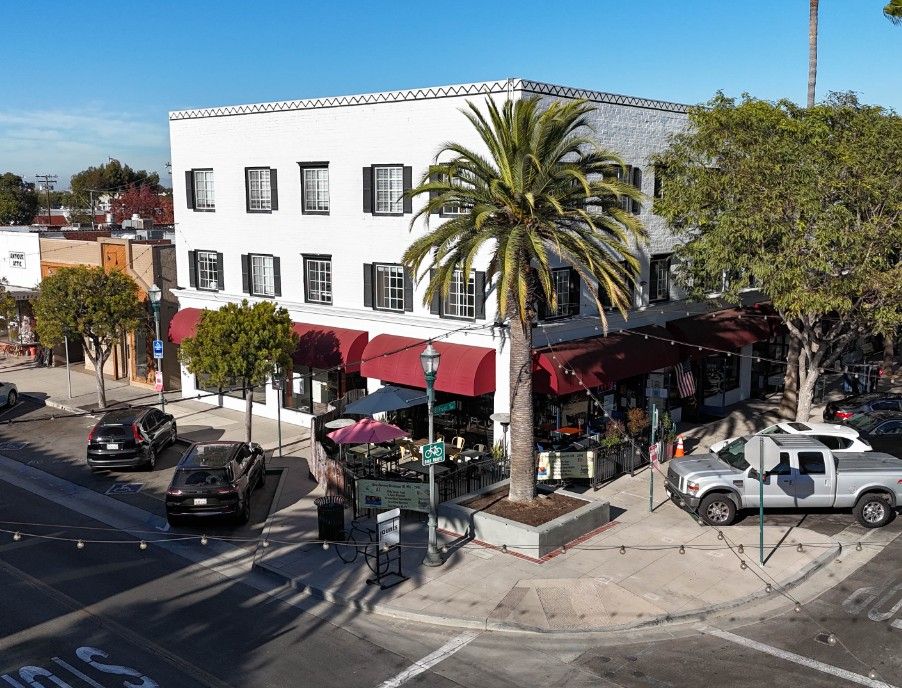
    Los Angeles has long been a playground for culinary innovation, from street tacos to high-end tasting menus. If you’re planning to open a new restaurant in 2025, location is everything. Certain neighborhoods are emerging as hotspots for new concepts, offering the right mix of foot traffic, demographics, and opportunity. Here’s a breakdown of the top neighborhoods to consider.
    ________________________________________
    1. Arts District, Downtown LA
    Once an industrial hub, the Arts District has transformed into a vibrant cultural and culinary destination. With loft-style spaces, growing residential developments, and a younger, trend-conscious population, it’s ideal for modern casual dining, coffee shops, and craft-driven concepts.
    Data Snapshot:
    Metric Value
    Foot Traffic (weekly) 15,000+ visitors
    Competitor Density High (coffee shops & modern casual)
    Why it’s hot:
    • High density of creative professionals
    • Weekend foot traffic from galleries, breweries, and events
    • Flexible spaces suitable for pop-ups and experimental menus
    ________________________________________
    2. Highland Park
    Highland Park attracts locals seeking authentic, neighborhood-driven dining experiences. Its historic charm makes it perfect for ethnic cuisine, brunch spots, and casual cafes.
    Data Snapshot:
    Metric Value
    Foot Traffic (weekly) 10,000+ visitors
    Competitor Density Moderate (Mexican, coffee, casual dining)
    Why it’s hot:
    • Strong community vibe with loyal regulars
    • Opportunities for hybrid concepts (cafe + retail)
    ________________________________________
    3. West Adams
    West Adams is emerging as a trendy yet approachable neighborhood for new restaurants. It’s attracting operators looking for mid-market casual dining and modern comfort food concepts.
    Data Snapshot:
    Metric Value
    Foot Traffic (weekly) 8,000+ visitors
    Competitor Density Low to moderate
    Why it’s hot:
    • Easy access to major thoroughfares and growing residential population
    • Mix of historic buildings and new developments
    • Less saturated than Culver City or Downtown
    ________________________________________
    4. Silver Lake
    Silver Lake remains a creative epicenter, perfect for boutique coffee shops, small plates, and artisanal restaurants. The neighborhood rewards operators with a loyal, trend-savvy clientele.
    Data Snapshot:
    Metric Value
    Foot Traffic (weekly) 12,000+ visitors
    Competitor Density High (specialty coffee, niche cuisine)
    Why it’s hot:
    • Established food culture with high foot traffic
    • Audience willing to spend on innovative concepts
    • Great for experimental or niche menus
    ________________________________________
    5. Culver City
    Culver City is experiencing a renaissance with new residential and commercial projects. It’s particularly appealing for family-friendly dining, casual lunch spots, and experiential restaurants.
    Data Snapshot:
    Metric Value
    Foot Traffic (weekly) 14,000+ visitors
    Competitor Density Moderate (variety of cuisines, mix of established & new)
    Why it’s hot:
    • Growing office population supporting lunch and happy hour concepts
    • Expanding residential areas bringing consistent dinner traffic
    • Mix of established restaurateurs and new concepts
    ________________________________________
    📌 Key Takeaways for Restaurateurs
    • Emerging neighborhoods like Arts District and West Adams offer opportunities for modern, casual, and experimental dining.
    • Trend-conscious areas like Silver Lake favor niche, artisanal, and high-quality concepts.
    • Community-driven neighborhoods like Highland Park and Culver City reward concepts that build loyalty.
    • Foot traffic and competitor density give insight into potential revenue and positioning.
    ________________________________________
    Opening a restaurant in Los Angeles is as much about choosing the right neighborhood as it is about concept and execution. Platforms like PepperLot make it easier to find, lease, or buy spaces in these emerging hotspots, connecting you with landlords, brokers, and other operators who understand the market.
    Start exploring opportunities today at PepperLot.com.

    Browse restaurant space for lease and restaurants for sale on PepperLot.