Author: Alex

  • Second-Generation Restaurant Spaces: The Smartest Way to Launch Your Concept

    Second-Generation Restaurant Spaces: The Smartest Way to Launch Your Concept

    Second-Generation Restaurant Spaces: The Smartest Way to Launch Your Concept
    Published by TableLot | Restaurant Real Estate & Acquisition
    Opening a restaurant from scratch is expensive, time-consuming, and filled with regulatory hurdles. That’s why experienced operators increasingly turn to second-generation restaurant spaces formerly operated restaurant sites that come pre-built with the infrastructure your concept needs. Here’s why second-gen spaces are one of the most strategic moves in restaurant real estate.
    What Is a Second-Generation Restaurant Space?
    A second-generation (or “second-gen”) space is a commercial property that was previously used as a restaurant or food & beverage operation. It typically includes installed kitchen equipment, grease traps, hood systems, walk-in coolers, exhaust ventilation, and often an existing alcohol license or food service permit.
    Why Second-Gen Spaces Make Financial Sense
    Lower Build-Out Costs
    A full restaurant build-out in California can cost anywhere from $150,000 to over $1 million depending on size and scope. Second-gen spaces dramatically reduce this investment because the core infrastructure is already in place. You’re paying for cosmetic upgrades and brand customization not plumbing, electrical, or HVAC from scratch.
    Faster Time to Open
    Permitting a new restaurant buildout can take 6–18 months. A second-gen space with existing permits and equipment can cut that timeline significantly sometimes getting you to opening day in under 90 days.
    Landlord Incentives
    Landlords with vacant restaurant spaces are highly motivated. They understand that re-tenanting a restaurant space is difficult, and they’re often willing to offer free rent periods, tenant improvement allowances, or flexible lease structures to attract qualified operators.
    What to Look for in a Second-Gen Space
    • Hood system capacity and compliance: Ensure the existing hood meets local fire code and supports your cooking style.
    • Grease trap size and condition: A properly sized grease trap is essential and costly to upgrade.
    • Gas line capacity: Verify BTU load matches your equipment needs.
    • Existing permits and transferability: Not all permits are transferable confirm with the local health department and ABC (for liquor licenses).
    • Seating layout and flow: Consider whether the existing floor plan suits your service model.
    Finding Second-Gen Spaces on TableLot
    TableLot’s restaurant-specific search filters make it easy to identify second-generation opportunities. Filter by hood systems, grease traps, kitchen equipment, patio seating, and alcohol licenses features you simply can’t search for on general commercial real estate platforms. Combined with location intelligence data, you can identify the right second-gen space in the right market with confidence.

    Browse Second-Gen Restaurant Spaces on TableLot
    Search restaurant leases across Los Angeles, San Francisco, San Diego, and beyond. Use our advanced filters to find exactly what your concept needs without the noise of generic commercial listings. Visit tablelot.com to explore available spaces.

  • How to Buy a Restaurant: A Step-by-Step Guide for First-Time Buyers

    How to Buy a Restaurant: A Step-by-Step Guide for First-Time Buyers

    How to Buy a Restaurant: A Step-by-Step Guide for First-Time Buyers
    Published by TableLot | Restaurant Real Estate & Acquisition
    Buying a restaurant is one of the most exciting and complex business decisions you can make. Whether you’re a seasoned operator looking to expand or an entrepreneur entering the food & beverage industry for the first time, understanding the acquisition process is essential to making a smart investment. This guide walks you through each stage of buying a restaurant, from identifying opportunities to closing the deal.
    1. Define Your Concept and Budget
    Before browsing listings, get clear on what you want. Ask yourself: What type of cuisine or dining experience aligns with your expertise? Are you looking for a fully operational business or a second-generation space to build your own concept? How much capital can you deploy including purchase price, working capital, and renovation costs?
    Having answers to these questions will save significant time and ensure you evaluate opportunities through the right lens.
    2. Understand the Two Types of Restaurant Purchases
    When buying a restaurant, you’ll typically encounter two deal structures:
    • Asset Sale: You purchase the restaurant’s physical assets equipment, furniture, inventory and assume the lease. The seller retains all prior liabilities. This is the lower-risk option and ideal for buyers who want operational control without inheriting business debts.
    • Business Sale: You acquire the entire business entity brand, permits, contracts, staff, and liabilities. This is better suited for buyers who want to take over a well-established, profitable operation as-is.
    3. Evaluate the Location with Data
    Location is everything in the restaurant industry. Beyond foot traffic and visibility, savvy buyers analyze demographic data, competition density, and market saturation. Platforms like TableLot provide built-in location intelligence tools that give you access to competition analysis, income demographics, foot traffic trends, and market potential all in one place. Use these insights to validate whether a location supports your target customer profile and concept.
    4. Conduct Thorough Due Diligence
    Once you’ve identified a promising opportunity, due diligence is non-negotiable. Review the following:
    • Financial statements (P&L, tax returns) for the past 2–3 years
    • Existing lease terms, rent escalations, and landlord reputation
    • Status of permits, licenses, and health inspections
    • Condition of kitchen equipment, hood systems, and grease traps
    • Staff structure, key personnel agreements, and any pending litigation
    5. Negotiate and Submit a Letter of Intent (LOI)
    If due diligence looks favorable, the next step is submitting a Letter of Intent a non-binding document that outlines the proposed purchase price, deal structure, and key terms. This signals serious intent and kicks off the formal negotiation process. TableLot provides restaurant-specific LOI templates and financial forms designed to streamline this step for both buyers and sellers.
    6. Close the Deal
    Once terms are agreed upon, your attorney will draft a Purchase Agreement. At closing, ownership transfers and you receive the keys — along with all agreed-upon assets, permits, and operational documentation. If you’re assuming a lease, you’ll coordinate with the landlord on a lease assignment or new lease execution.

    Ready to Find Your Next Restaurant Opportunity?
    TableLot is the only marketplace built exclusively for restaurant real estate. Browse restaurants for sale and lease across California, access advanced location intelligence, and connect directly with sellers and brokers. Visit tablelot.com to start your search

  • What Makes a Restaurant Listing Stand Out in a Competitive Market

    What Makes a Restaurant Listing Stand Out in a Competitive Market

    Strong restaurant lease listings can make a meaningful difference in how quickly a space attracts attention.

    With countless restaurants for sale and every type of restaurant space for lease appearing online, listings that are clear, informative, and visually engaging often rise above the noise. Whether the goal is to sell a restaurant or highlight a commercial restaurant for sale, thoughtful presentation plays a major role in driving visibility on restaurant-focused marketplaces.

    ### **Clear, High-Quality Visuals Create Instant Impact**
    ![people sitting at a restaurant.](https://cms.tablelot.com/uploads/people_sitting_at_a_restaurant_b693471bd4.jpg)
    Photos are often the first thing viewers notice. Listings that include bright, well-framed images of dining areas, kitchens, storefronts, and exterior signage tend to perform better. Showing multiple angles helps viewers understand the layout and ambiance before scheduling a visit. For franchise restaurants for sale or turnkey spaces, including images of branded fixtures, equipment, and seating arrangements can provide helpful context without overwhelming the viewer.

    ### **Accurate Square Footage and Layout Details**

    Transparency builds trust. Listings that clearly mention square footage, seating capacity, kitchen configuration, and storage space allow multi-unit groups to quickly determine whether a property aligns with their operational needs. Precise information is especially valuable when browsing a restaurant business for sale, as it helps narrow down options efficiently. Floor plans, when available, can also strengthen a listing by giving viewers a sense of workflow and traffic flow within the space.

    ### **Prior Concept Context Adds Valuable Insight**

    Understanding how a location was previously used helps viewers imagine future possibilities. Was the space once a café, a fast-casual concept, or a [full-service dining room](https://www.mydomaine.com/dining-room-decor-tips-restaurants)? Including brief, factual details about the prior concept can add depth to restaurant lease listings without making assumptions about future use. This type of context is particularly helpful for those reviewing multiple restaurants for sale, as it highlights operational history and potential adaptability.

    ### **Concise, SEO-Focused Descriptions**

    [Well-written descriptions](https://www.forbes.com/councils/forbesagencycouncil/2023/10/17/where-to-start-with-your-local-seo-strategy/) that naturally include relevant keywords — such as restaurant space for lease or franchise restaurants for sale — can improve search visibility while keeping the content easy to read. Avoid overly long paragraphs or promotional language; instead, focus on practical details like equipment availability, lease terms, and build-out features. Structured information allows viewers to quickly compare a restaurant business for sale with other opportunities in the market.

    ### **Final Thoughts**

    In a crowded digital marketplace, standout listings combine strong visuals, accurate details, and thoughtful storytelling. By highlighting the right attributes — from square footage to neighborhood context — restaurant-only platforms can make it easier for multi-unit groups to discover spaces that align with their goals.

    If you’re ready to [sell a restaurant](https://tablelot.com/signup) or showcase a new restaurant lease listing, [explore Tablelot](https://tablelot.com/search), a leading marketplace for restaurant real estate. Tablelot provides a dedicated platform where restaurant properties can be listed and discovered by the right audience.

    [Visit our website today](https://tablelot.com/) to get started.

  • Why Restaurant-Only Listing Platforms Benefit Property Owners and Agents

    Why Restaurant-Only Listing Platforms Benefit Property Owners and Agents

    In today’s competitive hospitality market, property owners and agents are looking for smarter ways to present opportunities to the right audience. Traditional listing sites often combine multiple industries, which can make it harder for restaurant-focused opportunities to stand out. That’s where restaurant-only platforms come in.

    By concentrating on restaurant lease listings, these specialized marketplaces help streamline exposure and create a more efficient path between property owners and expansion-focused restaurant brands.

    ### **Increased Visibility for Restaurant-Focused Opportunities**

    ![women having a drink together at a restaurant.](https://cms.tablelot.com/uploads/women_having_a_drink_restaurant_80065b3509.jpg)
    One of the biggest advantages of using a niche marketplace is targeted visibility. When a property is marketed alongside unrelated commercial spaces, it may get overlooked by restaurant professionals searching for their next location. Platforms dedicated to restaurant spaces for lease in California or commercial restaurants for sale allow listings to reach people actively searching within the hospitality sector.

    Instead of competing with offices, retail shops, or warehouses, restaurant-specific listings are placed directly in front of users exploring dining concepts, franchise expansion, or relocation opportunities. This focused exposure helps property owners highlight essential features such as kitchen build-outs, seating capacity, and zoning suitability without getting lost in broader commercial searches.

    ### **Reduced Noise From Unrelated Inquiries**

    General marketplaces often generate a wide range of responses that may not align with restaurant operations. Restaurant-only platforms help reduce unnecessary communication by connecting listings with users who already understand the industry. Whether the listing highlights a restaurant business for sale or a turnkey dining location, the audience typically consists of restaurant operators, chefs, or multi-unit groups looking for their next project.

    This level of alignment can help save time for property owners and agents. Instead of answering basic operational questions from unrelated sectors, conversations can focus on relevant topics such [as kitchen infrastructure](https://www.nrn.com/restaurant-insights/the-infrastructure-imperative), licensing considerations, or lease terms specific to restaurant use.

    ### **Better Alignment With Expansion-Focused Users**

    Specialized marketplaces also attract users who are actively seeking growth opportunities. Many restaurant brands and multi-unit groups monitor dedicated platforms to discover new territories, second-generation restaurant spaces, or franchise restaurants for sale. Because these users are already searching within the hospitality niche, listings are more likely to reach individuals who understand the operational requirements of running a dining business.

    For property owners, this means that a commercial restaurant for sale or a fully equipped space may gain traction faster among audiences already exploring expansion. Agents can also benefit by showcasing properties in an environment designed to highlight restaurant-specific advantages such as existing ventilation systems, bar layouts, or [outdoor dining potential](https://www.finedininglovers.com/explore/articles/17-outdoor-winter-dining-solutions).

    ### **A More Focused Marketing Strategy**

    Listing on a restaurant-only marketplace supports a targeted marketing strategy. Instead of broad advertising that may attract mixed responses, a dedicated platform positions restaurant opportunities within a community that understands industry trends. This can help create more meaningful engagement and clearer communication between all parties involved.

    ### **Ready to List Your Restaurant Opportunity?**

    If you’re exploring new ways to promote restaurant lease listings or [showcase a restaurant space for lease](https://tablelot.com/signup), consider using a platform built exclusively for restaurant real estate.

    [Tablelot is a leading marketplace](https://tablelot.com/) for restaurant real estate, designed to help property owners and agents present opportunities to the right audience. We provide a specialized space to list restaurant properties and connect with restaurant-focused [users searching for their next location](https://tablelot.com/search).

  • A Practical Checklist for Evaluating a Restaurant Expansion Location

    A Practical Checklist for Evaluating a Restaurant Expansion Location

    Expanding into a new market requires more than finding attractive restaurants for lease.
    Multi-unit groups and independent operators alike benefit from using a clear, practical checklist before committing to a new location. From surrounding competition to neighborhood activity, evaluating the bigger picture helps determine whether a space aligns with long-term goals — without focusing on lease negotiations or financial terms.
     
    Understand Local Restaurant Density

    ![a modern interior with wooden flooring. ](https://cms.tablelot.com/uploads/modern_restaurant_interior_space_0cb21f265c.jpg)

    One of the first factors to assess is how many food concepts already operate nearby. A neighborhood filled with dining options can signal strong customer demand, but oversaturation may make it difficult for a new concept to stand out. When exploring a restaurant space for lease, look at the mix of cuisines, service styles, and price points in the area. Balanced competition often indicates a healthy dining ecosystem that supports consistent foot traffic.

    ### **Evaluate the Space’s Previous Use**

    The prior history of a location can provide valuable insight. If the property was once a commercial restaurant for sale, consider how the layout supported kitchen flow, guest seating, and operational efficiency. Former restaurant spaces can reduce build-out challenges, but it’s still important to assess whether the design aligns with your concept. Reviewing how long previous operators stayed in the space can also reveal trends about neighborhood demand.

    ### **Observe Neighborhood Activity and Traffic Patterns**

    Foot traffic, nearby offices, residential density, and evening activity all contribute to a location’s potential. Spend time in the area during different hours of the day to understand real-world patterns.

    Are nearby businesses complementary? Do [local events](https://get.popmenu.com/post/33-restaurant-event-ideas) bring consistent visitors? These details can influence whether restaurants for lease in that area will benefit from steady visibility or seasonal fluctuations.

    ### **Compare Market Fit with Similar Listings**

    Expansion planning often involves comparing multiple opportunities, including restaurants for sale already operating in the same market. Even if you plan to open a new concept, [reviewing existing listings](https://www.forbes.com/councils/forbescommunicationscouncil/2024/08/27/where-and-how-to-list-commercial-property/) helps identify which neighborhoods attract sustained demand. Multi-unit groups also review nearby franchise restaurants for sale to understand how established brands perform in that specific community.

    ### **Assess Accessibility and Visibility**

    Location accessibility is a practical consideration that goes beyond aesthetics. Parking availability, public transit access, and clear street visibility all affect customer convenience. When reviewing a restaurant space for lease, consider how easily guests can find and access the property. High visibility often contributes to stronger brand awareness, especially in new markets.

    **Analyze the Surrounding Business Mix**

    Restaurants rarely succeed in isolation. Nearby retail shops, entertainment venues, or office buildings can create consistent dining demand. Operators exploring a commercial restaurant for sale may also look at whether the neighborhood supports lunch crowds, late-night activity, or weekend tourism. Understanding these patterns helps determine whether the market aligns with your concept’s operating hours and service style.

    **Final Thoughts**

    Evaluating expansion opportunities requires a structured approach that considers neighborhood dynamics, space history, and overall market fit. By carefully reviewing these factors, restaurant operators and multi-unit groups can make informed decisions when exploring restaurants for lease or reviewing a restaurant business for sale in a competitive market.

    If you’re exploring new opportunities, [Tablelot is a leading marketplace](https://tablelot.com/signup) for restaurant real estate where you can [browse restaurants for lease](https://tablelot.com/search) and commercial restaurants for sale in one place. Tablelot provides a streamlined platform to discover and compare restaurant properties.

    [Visit the website today](https://tablelot.com/) to get started!

  • The Challenge of Deciding Where to Expand a Restaurant Concept

    The Challenge of Deciding Where to Expand a Restaurant Concept

    For restaurant owners looking beyond their first successful location, expansion rarely fails because of food or branding. It stalls because choosing the right place is harder than it looks.

    In 2026, operators are navigating tighter margins, higher lease costs, and more competitive urban cores. According to CBRE, foodservice rents in major U.S. metros have risen steadily since 2022, while vacancy for second-generation restaurant spaces remains uneven by neighborhood. The problem is not demand. It is visibility.

    Most owners start their search for a [restaurant for lease](https://tablelot.com/search?listingType=FOR_LEASE,SUB_LEASE) by stitching together information from brokers, listing sites, local contacts, and word of mouth. That fragmentation makes it difficult to answer basic questions. Where are comparable restaurants succeeding? Which neighborhoods support similar price points? How does foot traffic differ across corridors?

    Limited Visibility Into Real Restaurant Opportunities
    —————————————————–

    Even in large markets, operators face blind spots. Searching for restaurants for lease in Los Angeles often yields mixed-use retail listings, outdated postings, or spaces never intended for food service. The same happens when comparing restaurants for lease in Sacramento. What looks like choice is often noise.

    Because many listing platforms are not restaurant-specific, second-generation spaces are buried among irrelevant properties. Operators waste time filtering options that were never viable for food service in the first place.

    Comparing Markets without Consistent Data
    —————————————–

    The challenge intensifies when owners evaluate acquisition instead of leasing. Listings for [restaurants for sale](https://tablelot.com/search?listingType=ASSET_SALE,BUSINESS_SALE) vary wildly in detail and accuracy. Financials are inconsistent, location context is thin, and comparing a restaurant business valuation across cities becomes guesswork.

    For those exploring small restaurants, franchise restaurants for sale, the lack of standardization makes it difficult to assess risk. This problem grows as operators look across multiple metros rather than staying within a single neighborhood. Tablelot has many metrics on the website to help you get a detailed idea of the area you’re looking into to ensure you make the right decision.

    Regional Expansion Adds another Layer of Complexity
    —————————————————

    Geography compounds the issue. Operators comparing restaurants for sale in San Diego often find that listings reflect broker reach rather than true opportunity density.

    The same holds nationally when browsing restaurants for sale in the USA, or niche segments like food businesses for sale in California, Riverside, and San Diego. Without centralized visibility, expansion planning becomes reactive instead of strategic.

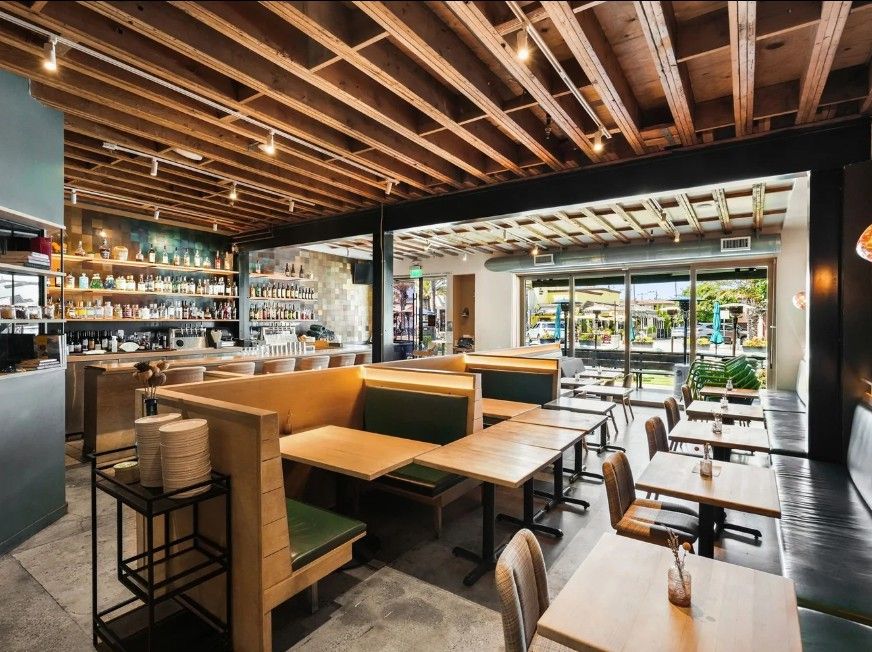
    ![Second-generation restaurant space with existing fit-out, seating, lighting fixtures, and open floor plan ready for restaurant operations](https://cms.tablelot.com/uploads/restaurant_space_with_existing_fit_out_047be9e407.jpg)

    Why Expansion Decisions Stall Before Site Visits
    ————————————————

    This is why many growth plans pause before tours ever happen. Without a clear way to compare neighborhoods, understand nearby competition, and focus only on second-generation restaurant spaces, owners spend months chasing partial information.

    Whether the goal is to buy a restaurant business or list a restaurant for sale, fragmented discovery slows momentum and increases uncertainty.

    Ready to Explore Expansion Opportunities More Clearly?
    ——————————————————

    If you are evaluating new markets or preparing to list a restaurant for sale online, Tablelot helps centralize discovery across regions. Explore a restaurant business selling platform built for operators who need visibility, comparability, and clarity when planning their next move. [Reach out](tel:6507708709) to us today and our team will be more than happy to assist you.

  • How Data-Driven Marketplaces Are Changing Restaurant Leasing in California

    How Data-Driven Marketplaces Are Changing Restaurant Leasing in California

    California’s restaurant industry is one of the most competitive in the country. From dense urban cores like Los Angeles and San Francisco to fast-growing suburban and destination markets, the difference between success and struggle often comes down to one decision: location.

    Yet for years, restaurant operators searching for space have relied on general commercial real estate platforms that were never designed for food and beverage use. Listings often lack critical operational details, mix restaurants with unrelated retail spaces, and force operators to spend months filtering properties that were never viable in the first place.

    A new generation of restaurant-focused marketplaces aims to change that.

    The Challenge of Restaurant Leasing

    Restaurant leasing is uniquely complex. Beyond rent and square footage, operators must consider infrastructure, zoning, prior use, kitchen capacity, parking, visibility, and trade-area dynamics. Traditional listing platforms typically prioritize volume over relevance, leaving restaurateurs to piece together information across multiple sources.

    In California’s high-cost, high-stakes market, that inefficiency can be costly.

    A Marketplace Built for Restaurants

    Tablelot is a California-based marketplace designed exclusively for restaurants for lease. Unlike broad commercial listing sites, every property on Tablelot is food and beverage–related, removing the clutter of generic retail conversions and non-viable spaces.

    The platform focuses on operational feasibility, presenting listings that include meaningful specifications, lease clarity where available, and location context tailored specifically to restaurant use. The goal is simple: help operators make better decisions, faster.

    Location Intelligence Meets Leasing

    One of the biggest shifts in restaurant real estate is the integration of location intelligence into the leasing process. Rather than relying solely on intuition or generic foot-traffic metrics, operators increasingly want insight into trade areas, surrounding demand, and market positioning.

    By pairing curated listings with location-driven context, platforms like Tablelot aim to reduce friction and uncertainty—particularly for growing brands expanding into new markets or first-time operators navigating their initial lease.

    Serving Operators, Investors, and Landlords

    Tablelot connects restaurant operators, investors, and landlords across California and nationwide. For landlords, it offers exposure to a qualified, industry-specific audience. For operators, it creates a more focused and transparent search experience. And for investors, it provides a clearer view of available restaurant opportunities across multiple markets.

    As restaurant concepts evolve and competition intensifies, tools built specifically for the food and beverage industry are becoming less of a luxury and more of a necessity.

    The Future of Restaurant Real Estate

    California has long been a bellwether for national restaurant trends. As technology continues to reshape how businesses evaluate real estate, restaurant-specific marketplaces may become the standard rather than the exception.

    For operators, the takeaway is clear: better information leads to better locations—and better locations lead to stronger businesses.

  • How to Attract Serious Restaurant Tenants for Your Property in California

    How to Attract Serious Restaurant Tenants for Your Property in California

    This guide breaks down how to **position your property, price it right, and reach qualified operators** who can turn your space into a thriving business.

    ## 1. Start With a “Restaurant-Ready” Setup

    Most tenants in today’s market don’t want to start from scratch.
    They’re looking for **turnkey or semi-equipped spaces** that minimize startup costs and downtime.

    To make your property more appealing:

    * Keep **grease traps, hoods, and ventilation systems** in compliance.
    * Ensure electrical and plumbing are ready for heavy commercial kitchen use.
    * Stage the dining area — even a few tables and clean lighting make it easier for buyers to visualize.
    * Showcase upgrades like **ADA accessibility**, new HVAC, or **energy-efficient appliances**.

    California restaurateurs value time — a space that’s operational within weeks will rent or sell faster than an empty shell.

    ## 2. Price Based on Value, Not Just Square Footage

    In California, restaurant spaces are valued differently from standard retail.
    Two locations of similar size can vary by 40–60% in price depending on visibility, parking, and liquor license eligibility.

    **Here’s how to set your price competitively:**

    * Compare local **per-square-foot rates** in your submarket (LoopNet, CREXI, or TableLot can help).
    * Factor in existing buildout value — a restaurant with a functioning kitchen is worth much more.
    * Be transparent about **CAM (Common Area Maintenance)** and utility costs.
    * Offer incentives like **rent abatement** for the first few months to attract strong operators.

    Buyers and tenants appreciate clarity — it speeds up decision-making and filters unserious inquiries.

    ## 3. Know What California Restaurateurs Are Looking For

    Trends have shifted post-2020.
    Here’s what’s currently driving decisions among restaurant operators:

    * **Outdoor or sidewalk dining options** — high demand in Los Angeles, San Diego, and Bay Area suburbs.
    * **Ventilation and HVAC systems** that meet post-COVID health standards.
    * **Delivery-friendly layouts** — separate pickup entrances or back-kitchen access for delivery apps.
    * **Zoned parking and signage visibility** — especially for drive-by areas.

    If your property offers these, **highlight them prominently** in your listing title and description.

    ## 4. Market Where Restaurant Owners Actually Look

    Restaurant buyers and tenants don’t browse general real estate portals — they search niche sites or networks.
    List your property on **restaurant-specific marketplaces** and pair it with organic outreach.

    **Best channels to promote:**

    * Specialized platforms like **TableLot.com**, Restaurant Realty, BizBuySell, and CREXI.
    * Facebook groups and LinkedIn communities for California food entrepreneurs.
    * Local chambers of commerce or city “open restaurant space” listings.
    * Collaborate with **restaurant brokers** who already have buyer databases.

    Pro tip: use **video walkthroughs** and **virtual tours** — restaurant buyers love seeing kitchen flow before scheduling a visit.

    ## 5. Tell the Story of the Space

    The best listings go beyond numbers — they **sell potential**.

    Example description:

    > “2,400 sq ft restaurant in Old Pasadena, previously operating as a Mediterranean grill. Fully equipped kitchen, 70 seats, Type 41 license eligible, outdoor patio option available. Ideal for café, wine bar, or fusion concept.”

    Mention the **past use, nearby foot traffic**, and **demographics** of the area. This emotional storytelling makes a big difference in the California market, where brand identity matters as much as rent.

    ## 6. Prepare for Tenant Screening and Lease Flexibility

    Once leads start rolling in, focus on quality over quantity.

    * Request **business plans, funding proof, or prior experience** from interested operators.
    * Offer **shorter initial leases (2–3 years)** with renewal options — newer restaurateurs prefer flexibility.
    * Be ready to discuss **tenant improvement (TI) credits** or co-investment in upgrades.
    * Keep your legal paperwork California-ready — ADA, health, and building compliance should be up to date.

    Working with the right operator means lower vacancy rates and long-term stability.

    ## 7. Use Data to Stay Ahead

    The California restaurant property market is **data-driven** now.
    Platforms like **TableLot.com** and **Restaurant Realty** are starting to provide analytics — such as inquiry volumes by zip code, trending cuisine types, and average rent benchmarks.

    Use these insights to:

    * Time your listings during peak demand months (March–June, September–November).
    * Adjust your pricing dynamically.
    * Identify which cities or suburbs have the fastest absorption rates for restaurant spaces.

    Smart data beats guesswork — and helps you market strategically.

    ### Final Thoughts

    Selling or leasing a restaurant space in California isn’t just about square footage — it’s about **understanding restaurateurs**.
    They’re creative, fast-moving, and deeply tied to local culture.
    If you showcase your property as a **ready-to-run opportunity with a story**, you’ll attract serious operators who bring energy (and rent) to your space.

    In a market as vibrant as California’s, **well-presented restaurant spaces never stay empty for long.**

  • Restaurant Lease Assignment vs Sublease Explained

    Restaurant Lease Assignment vs Sublease Explained

    Restaurant Lease Assignment vs Sublease Explained

    If you’re buying a restaurant, taking over an existing space, or trying to exit a lease, one question comes up fast: should you pursue a restaurant lease assignment or a sublease? While both involve transferring space to a new operator, the legal and financial differences are significant.

    This SEO-focused guide explains restaurant lease assignment vs sublease, the pros and cons of each, and how to decide which option is right for your situation.

    What Is a Restaurant Lease Assignment?

    A restaurant lease assignment occurs when the current tenant transfers all rights and obligations under the lease to a new tenant. After the assignment is completed, the new operator becomes the primary tenant under the lease.

    Key Characteristics of a Lease Assignment

    Full transfer of the lease

    New tenant assumes rent and lease obligations

    Lease terms remain unchanged

    Landlord approval is required in most cases

    Pros of a Restaurant Lease Assignment

    Long-Term Control
    You step directly into the lease and control the space for the remaining term.

    Stronger Position With Landlords & Lenders
    Assignments are generally preferred by landlords and are easier to finance.

    Clean Operational Structure
    You deal directly with the landlord, not the prior tenant.

    Cons of a Lease Assignment

    Limited Flexibility
    You inherit the lease as written, including rent escalations and guarantees.

    Landlord Conditions
    Landlords may require fees, financial disclosures, or personal guarantees.

    What Is a Restaurant Sublease?

    A restaurant sublease occurs when the existing tenant rents the space to a new operator while remaining responsible for the original (master) lease with the landlord.

    Key Characteristics of a Sublease

    Original tenant stays on the lease

    Subtenant pays rent to the original tenant

    Sublease term cannot exceed the master lease

    Landlord consent is usually required

    Pros of a Restaurant Sublease

    Faster Entry
    Subleases can move quicker, especially for turnkey spaces.

    Lower Commitment
    Ideal for pop-ups, test concepts, or short-term operations.

    Potential Cost Savings
    Some subleases offer below-market rent or included equipment.

    Cons of a Restaurant Sublease

    Higher Risk
    If the original tenant defaults, the sublease may be terminated.

    Limited Control
    You are bound by both the sublease and the master lease.

    Financing Challenges
    Banks and investors are often hesitant with subleased locations.

    Restaurant Lease Assignment vs Sublease: Comparison
    Feature Lease Assignment Sublease
    Control of Lease Full Limited
    Relationship With Landlord Direct Indirect
    Liability New tenant assumes lease Original tenant remains liable
    Financing Easier More difficult
    Best Use Case Long-term operation Short-term or test concept
    Which Option Is Better for Restaurant Operators?

    Choose a lease assignment if you:

    Are purchasing restaurant assets

    Plan to operate long-term

    Need financing or investors

    Want direct landlord control

    Choose a sublease if you:

    Want flexibility or a shorter commitment

    Are testing a new restaurant concept

    Need to open quickly

    Are comfortable with added risk

    Landlord Approval and Lease Restrictions

    Most restaurant leases require written landlord approval for both assignments and subleases. Common landlord requirements include:

    Transfer or review fees

    Financial statements

    Personal guarantees

    Use and exclusivity restrictions

    Always review the master lease before assuming a transfer is allowed.

    Common Mistakes to Avoid

    Assuming landlord consent is automatic

    Not reviewing the master lease

    Ignoring remaining lease term

    Overlooking personal guarantee exposure

    Failing to confirm permitted use

    Final Thoughts

    Understanding the difference between a restaurant lease assignment and a sublease can save operators time, money, and legal trouble. The right structure depends on your timeline, risk tolerance, and long-term plans.

    Platforms like Tablelot help restaurant operators find lease assignments, subleases, and asset sale opportunities—making it easier to compare options and move forward with confidence.

    Looking for restaurant lease takeovers or subleases? Explore available opportunities on Tablelot.

  • Should You Buy A Restaurant Or Lease A New Space?

    Should You Buy A Restaurant Or Lease A New Space?

    Should You Buy a Restaurant or Lease a New Space? | Buying vs Leasing a Restaurant

    Opening a restaurant starts with one of the biggest decisions operators face: should you buy an existing restaurant or lease a new space and build it out? This question impacts startup costs, timeline, risk, and long-term success. Each option has distinct advantages and trade-offs.

    This SEO-focused guide breaks down buying a restaurant vs leasing a new space so you can choose the best path based on your concept, budget, and timeline.

    Option 1: Buying an Existing Restaurant (Asset Sale or Turnkey Restaurant)

    Buying an existing restaurant typically means purchasing the assets (and sometimes the business) of an operating or recently closed restaurant. This often includes kitchen equipment, furniture, fixtures, improvements, and occasionally brand goodwill.

    Pros of Buying a Restaurant

    1. Faster Time to Open
    Most infrastructure is already in place—hoods, grease traps, plumbing, electrical, and layout—allowing you to open in weeks instead of months.

    2. Lower Build-Out Costs
    Second-generation restaurant spaces can save hundreds of thousands of dollars compared to a full build-out.

    3. Existing Permits & Approvals
    Health department approvals and prior restaurant use can significantly reduce permitting risk.

    4. Proven Location
    If the space previously operated successfully, you gain insight into foot traffic, parking, and neighborhood demand.

    Cons of Buying a Restaurant

    1. Inherited Problems
    Outdated equipment, worn infrastructure, or poor prior reputation can follow the location.

    2. Limited Design Flexibility
    You may need to adapt your concept to the existing layout rather than designing your ideal space.

    3. Landlord Approval Still Required
    Asset sales, assignments, or new leases almost always require landlord consent.

    4. Overpaying for Assets
    Not all FF&E holds real value—buyers should be careful not to pay for obsolete or failing equipment.

    Option 2: Leasing a New Restaurant Space

    Leasing a new or non-restaurant space gives you a blank canvas—but also comes with higher upfront risk and cost.

    Pros of Leasing a New Space

    1. Full Creative Control
    You can design the layout, kitchen flow, and brand experience exactly how you want.

    2. New Infrastructure
    Brand-new equipment and systems reduce maintenance issues early on.

    3. Stronger Long-Term Positioning
    A well-designed space tailored to your concept can support long-term growth and scalability.

    4. Potential Tenant Improvement (TI) Allowance
    Some landlords offer TI dollars to offset construction costs.

    Cons of Leasing a New Space

    1. High Upfront Costs
    Build-outs can range from $300–$800+ per square foot depending on complexity and location.

    2. Longer Timeline
    Permitting, construction, and inspections can take 6–12 months or more.

    3. Higher Risk
    Unexpected construction costs, delays, or permitting issues can derail budgets.

    4. No Operating History
    You’re betting on the location without real performance data.

    Key Questions to Ask Before Deciding

    How quickly do I need to open?

    What is my total all-in budget (including contingency)?

    Do I need a custom kitchen or can I adapt an existing one?

    Am I comfortable managing construction risk?

    Does the location already have restaurant approvals?

    Which Option Is Right for You?

    Buy an existing restaurant if:

    Speed to market matters

    Capital is limited

    You’re flexible on layout

    The space already fits your concept

    Lease a new space if:

    Brand and design are critical

    You have sufficient capital and time

    You want long-term control

    You’re building a flagship or scalable concept

    Final Thoughts: Buying a Restaurant vs Leasing a New Space

    There’s no universal right answer—only the right decision for your restaurant. Many successful operators start with second-generation spaces to reduce risk, then graduate to custom-built locations once the concept is proven.

    Platforms like Tablelot help restaurant operators compare both options side by side—whether that’s restaurant asset sales, subleases, or vacant restaurant-ready spaces—so you can make an informed decision before committing.

    Thinking about buying a restaurant or leasing a new space? Explore real opportunities and compare options on Tablelot.